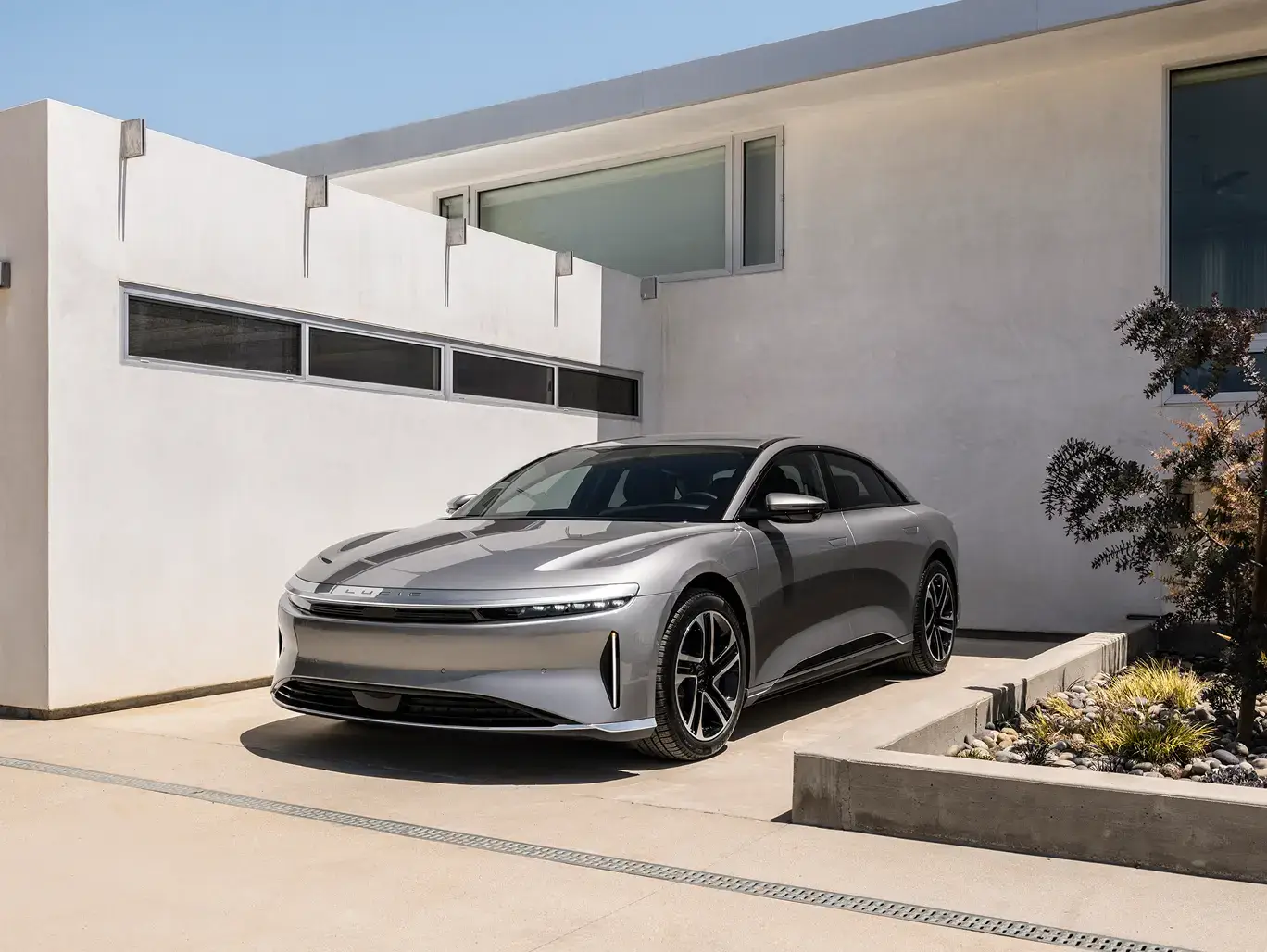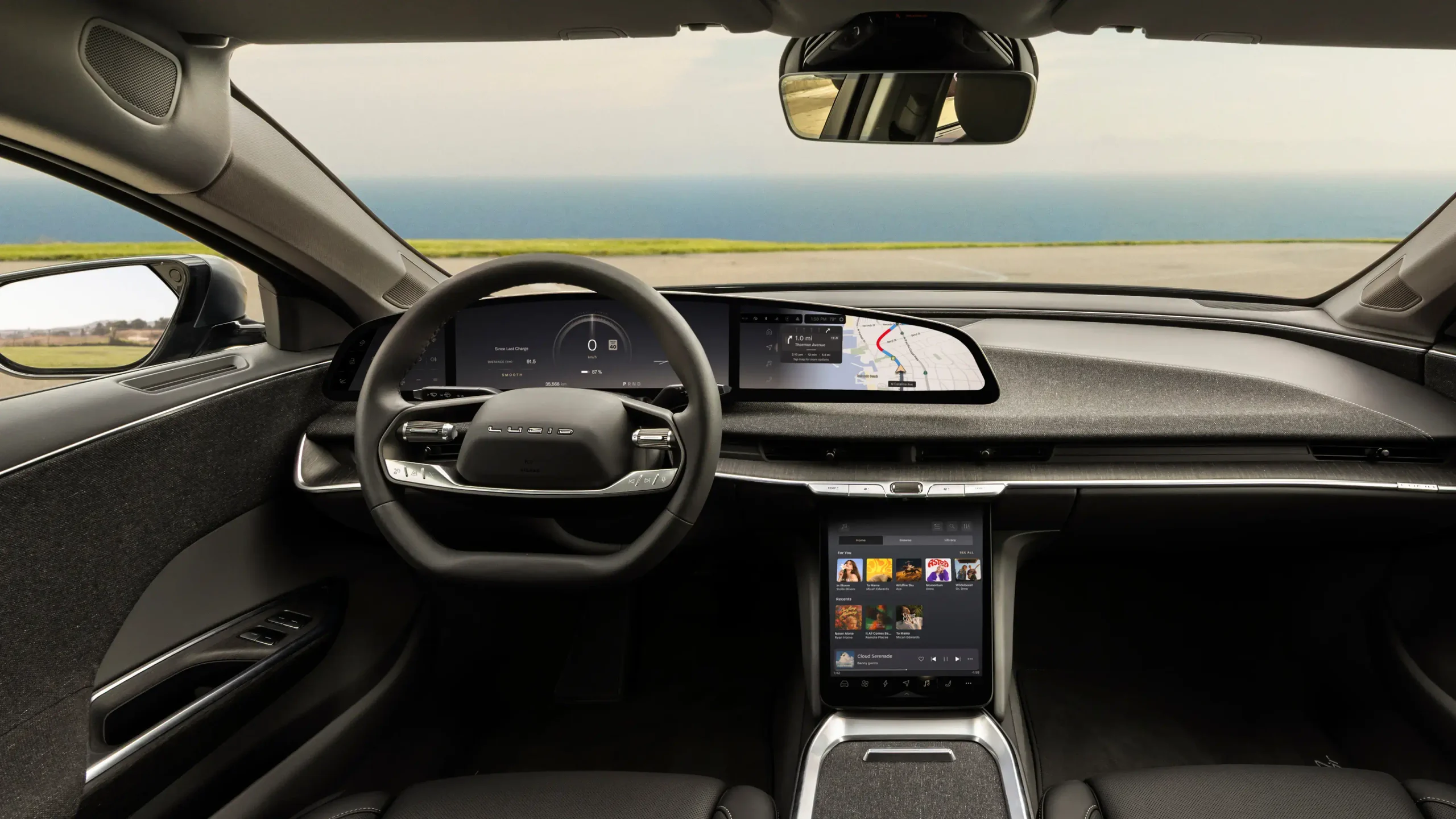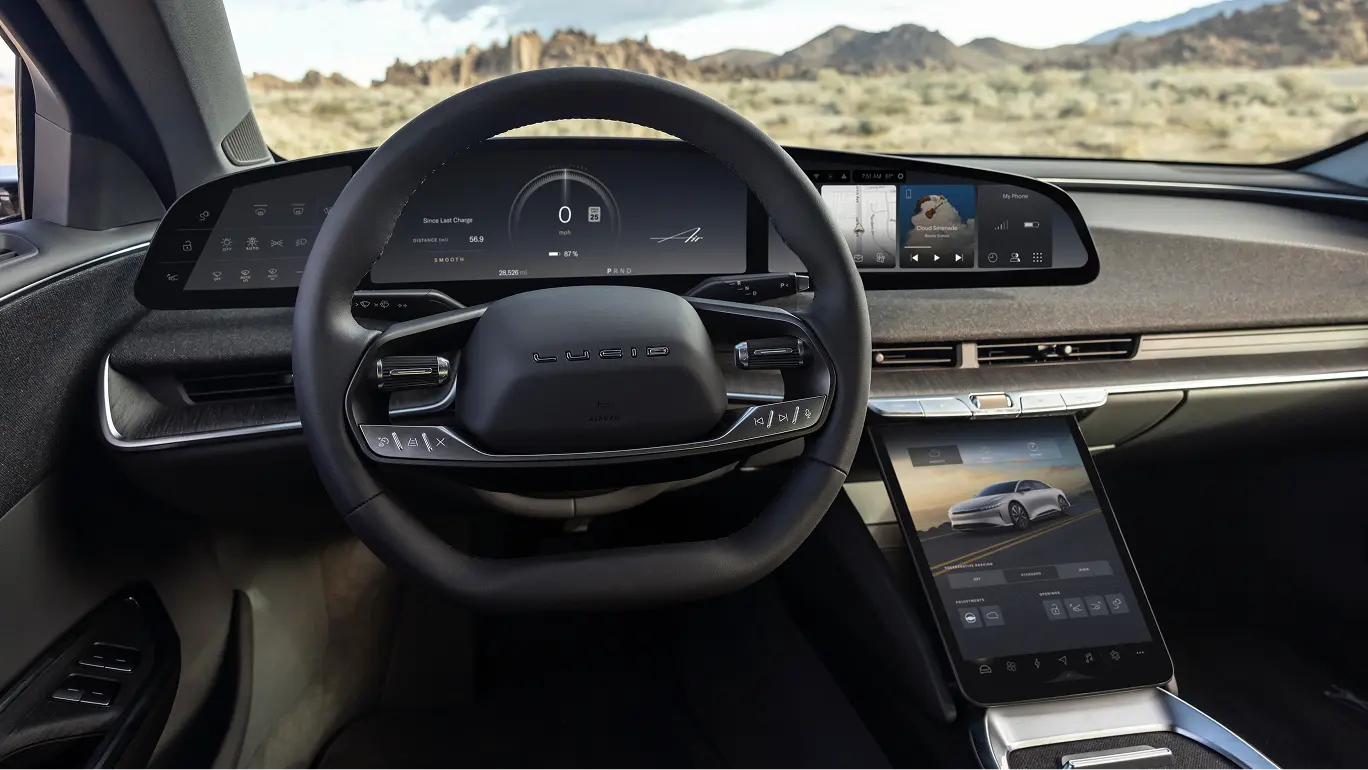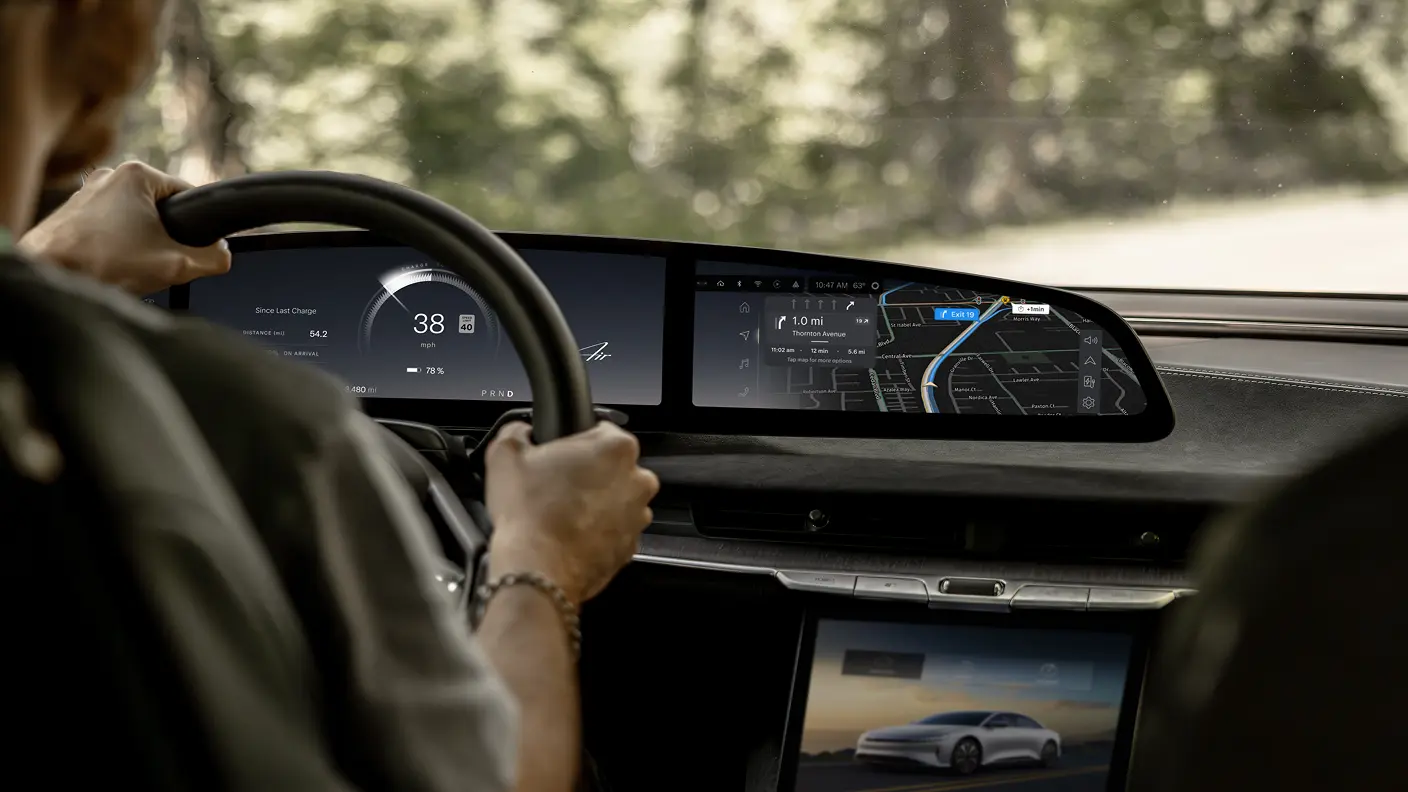
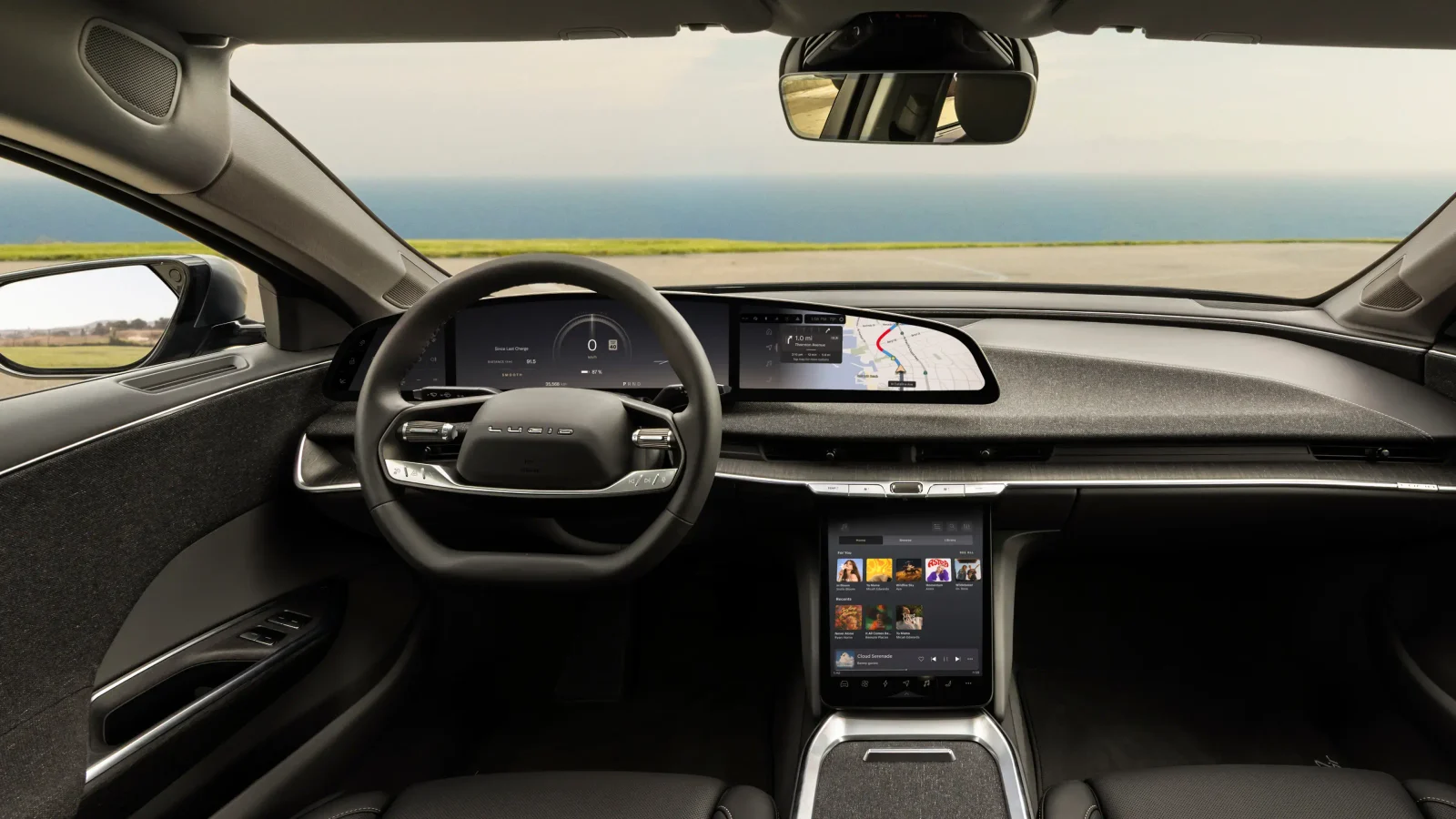
The idea that a car can receive a new user interface overnight still feels slightly strange. Lucid has just pushed that idea further with Air UX 3.0, a major software overhaul being delivered to existing Lucid Air sedans rather than reserved exclusively for customers buying a new car.
For owners of 2025-and-newer Air models, the update arrives over the air as part of Software Version 2.11.0. The 2027 Lucid Air receives it from the factory.
Older owners have a slightly more complicated story.
That makes Air UX 3.0 an interesting example of what happens when software-defined vehicles begin ageing.
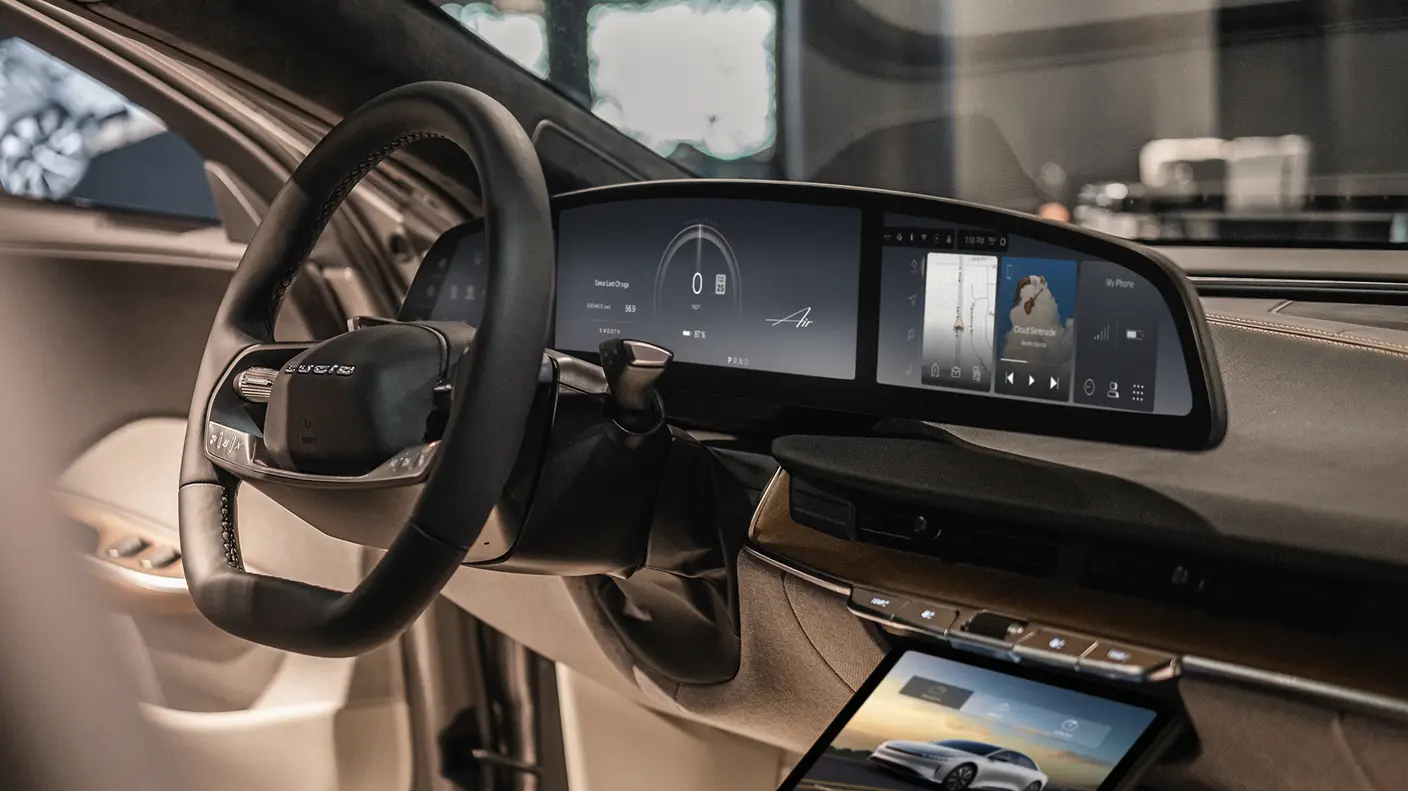
The update itself borrows heavily from the newer Lucid Gravity SUV. The home interface on the driver’s left display has been redesigned around swipeable cards, making frequently used functions easier to reach rather than burying them several menus deep.
Lucid has also reworked navigation.
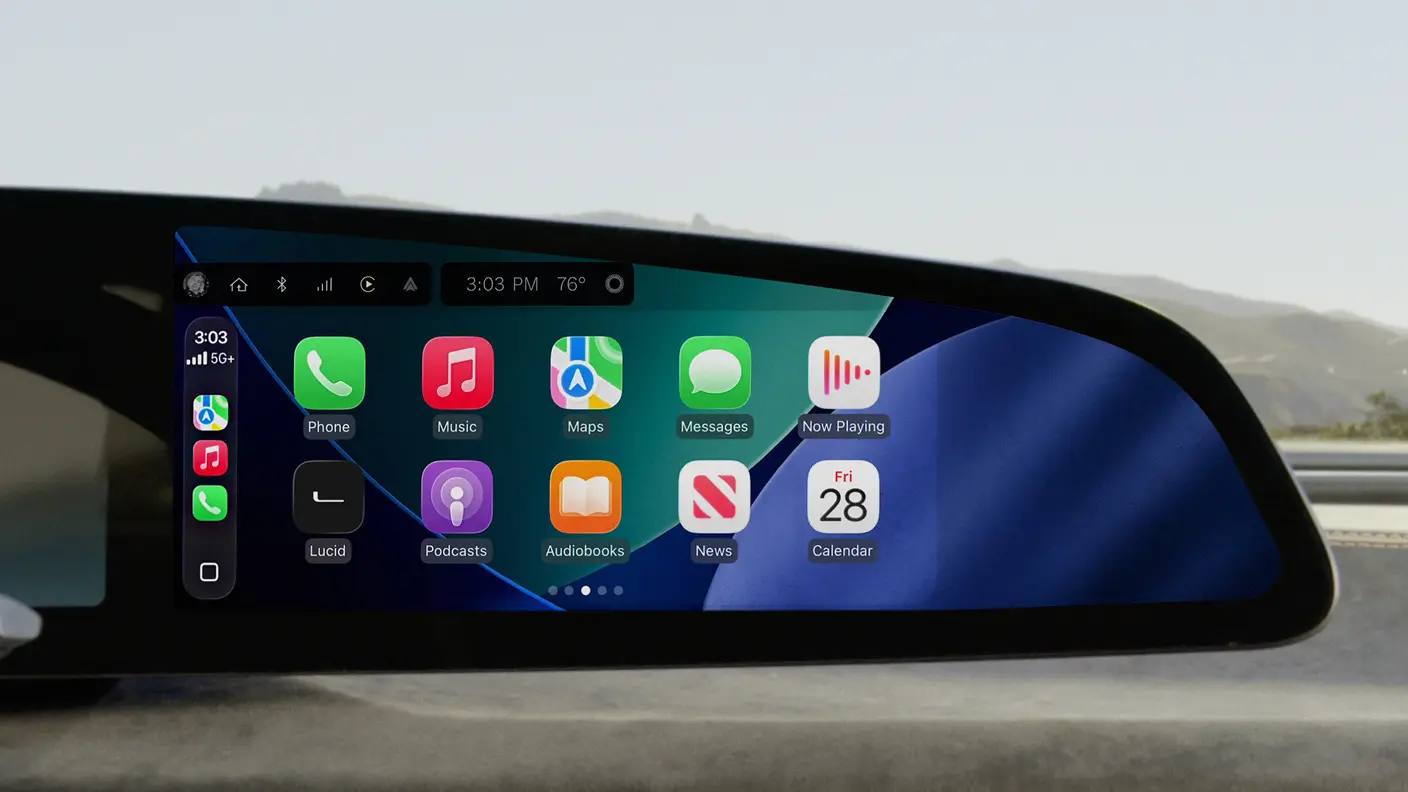
Route planning now incorporates more information relevant to EV driving, while the system’s presentation has been simplified. Apple CarPlay and Android Auto receive a wider display area, and multitasking has been improved so drivers can move between media, navigation and vehicle controls with less fiddling.
None of that sounds as exciting as another 1,000-hp electric sedan. It may matter considerably more during the 500th morning commute.
Infotainment systems age differently from engines and suspension. A perfectly good five-year-old car can feel ancient remarkably quickly when its screen responds slowly, its navigation looks dated and a new phone no longer integrates particularly well.
Lucid’s decision to offer a processor replacement for earlier cars is therefore noteworthy.
Yes, $950 isn’t cheap for something newer owners receive through software. But replacing a computer is considerably cheaper than replacing a car simply because the electronics have become irritating.
There’s another side to this.
Cars used to leave the factory largely finished. You might update navigation maps or replace a stereo, but the fundamental interface generally remained what you bought.
Software-defined vehicles change that relationship. Improvements can arrive years later, but manufacturers also inherit responsibility for supporting increasingly complicated computer hardware long after the first owner has left the showroom.
Lucid is attempting to bridge that gap rather than simply declaring the early cars obsolete.
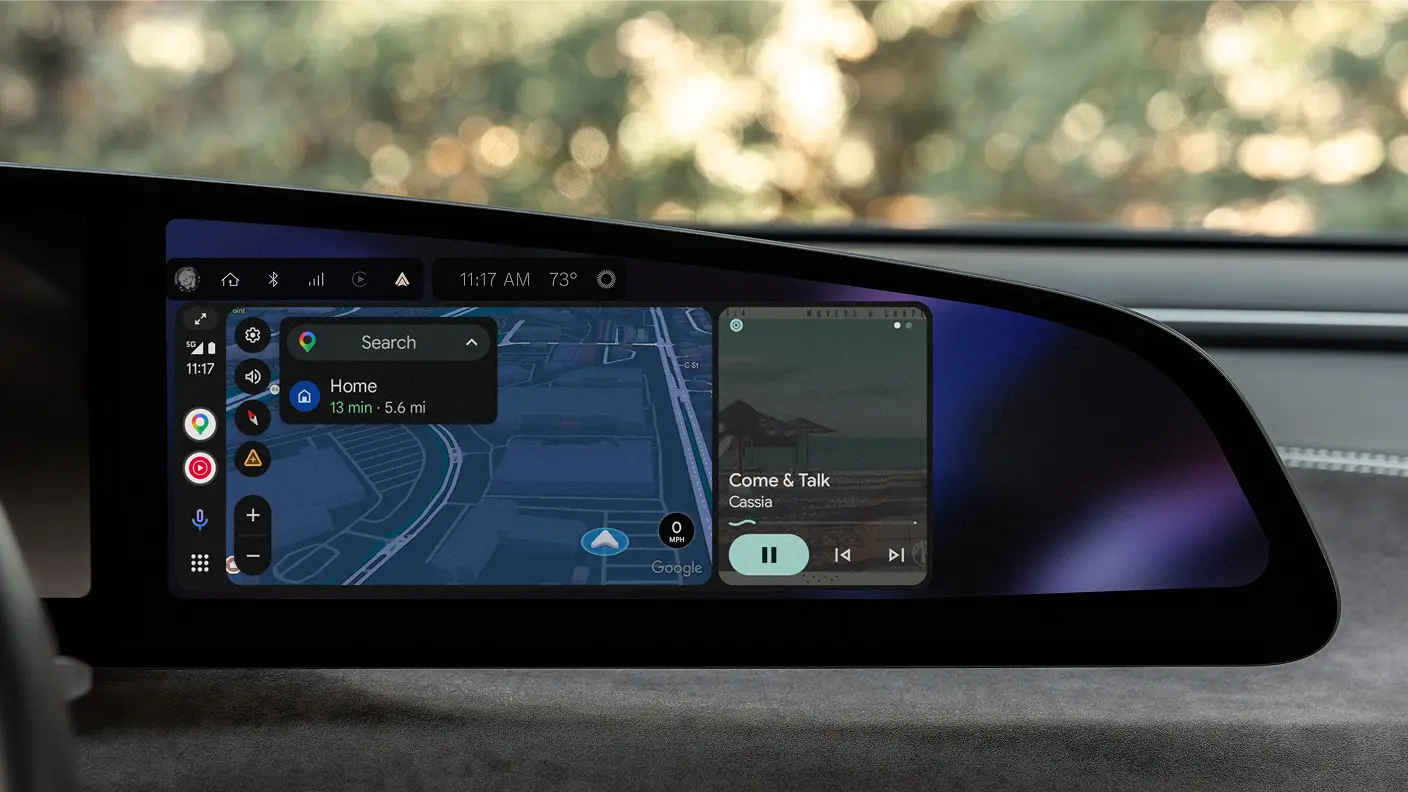
Air UX 3.0 started rolling out on September 29, and Lucid says the update brings the Air closer to the interface introduced in Gravity.
No extra range. No additional horsepower. No new bodywork.
Yet for somebody who interacts with those screens every single time they drive, this may change the car more noticeably than another small improvement to its acceleration figure.