
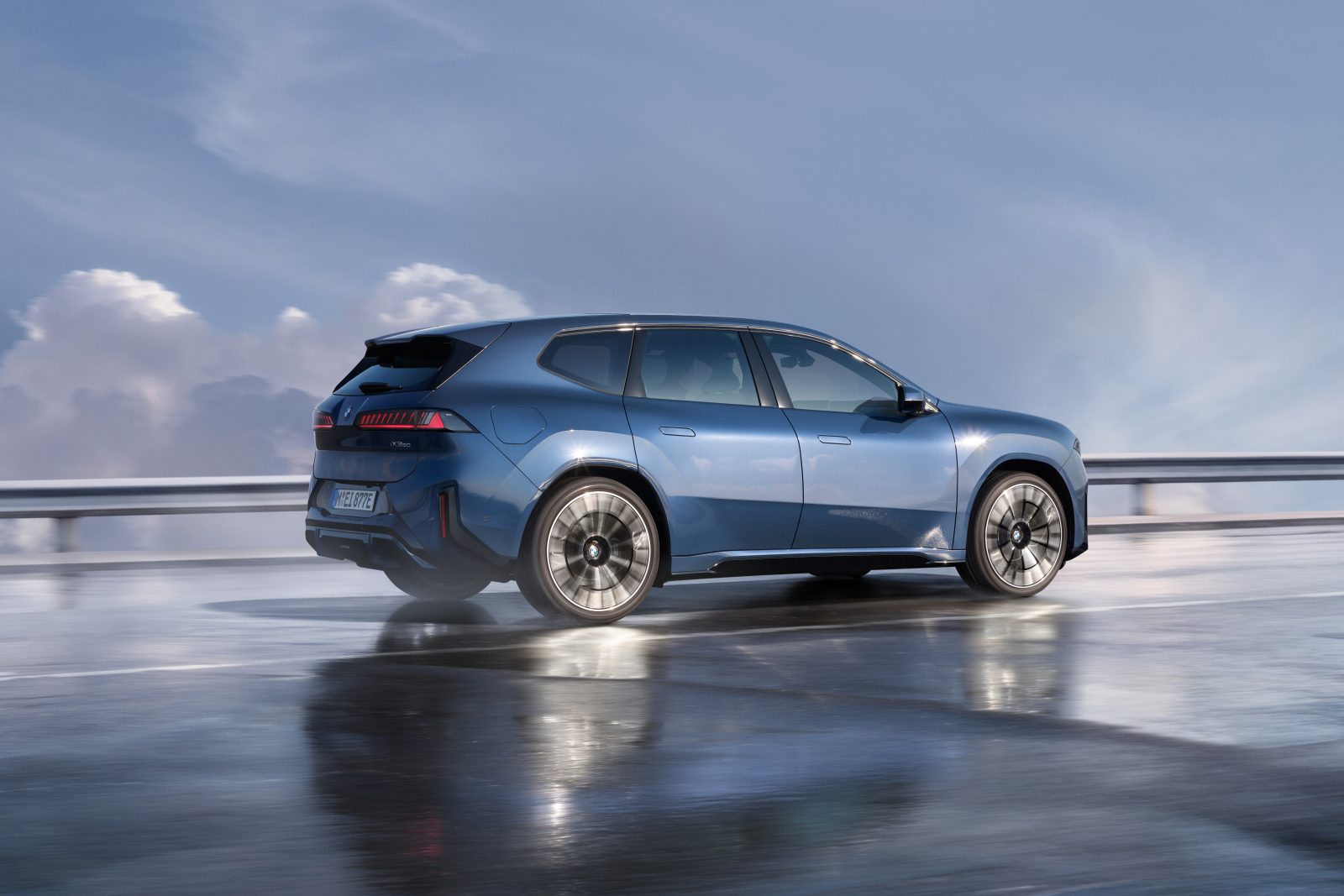
BMW and Mercedes have reached an interesting point with their electric SUVs. Neither brand now needs to convince buyers that an EV belongs in a premium showroom. The harder job is convincing them which one deserves roughly premium-SUV money.
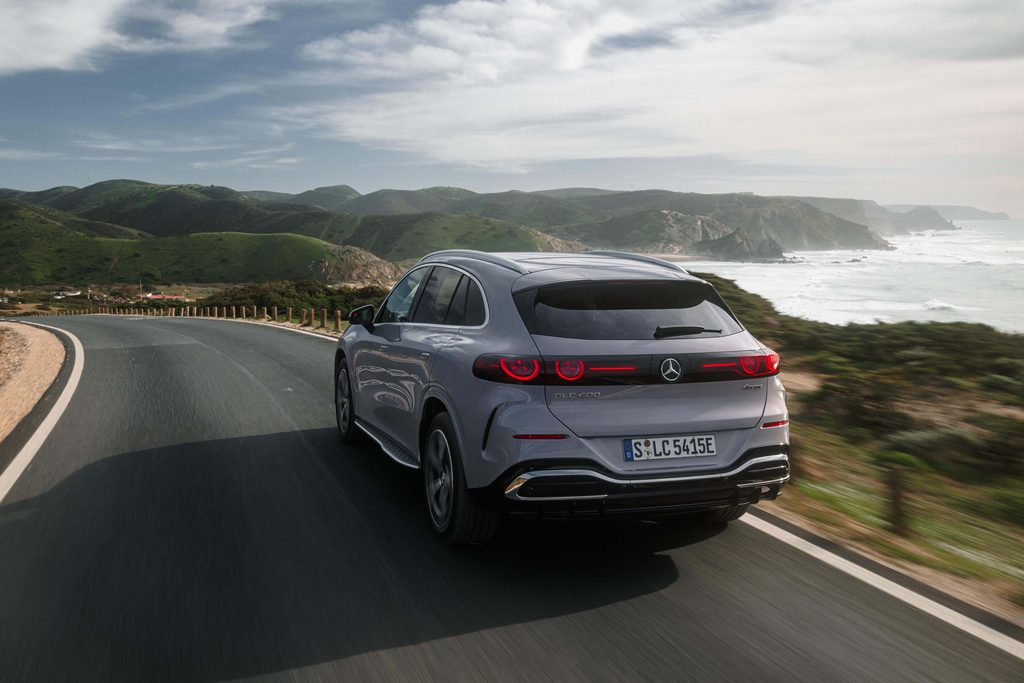
Two of the strongest answers are the BMW iX3 50 xDrive and Mercedes-Benz GLC 400 4MATIC with EQ Technology.
Battery Range
Let’s start with range, although there’s an important catch.
BMW’s US-spec iX3 has an official EPA estimate of up to 434 miles. Mercedes quotes up to 713 km for the GLC under WLTP testing. Those figures shouldn’t be directly converted and compared because EPA and WLTP use different test procedures.
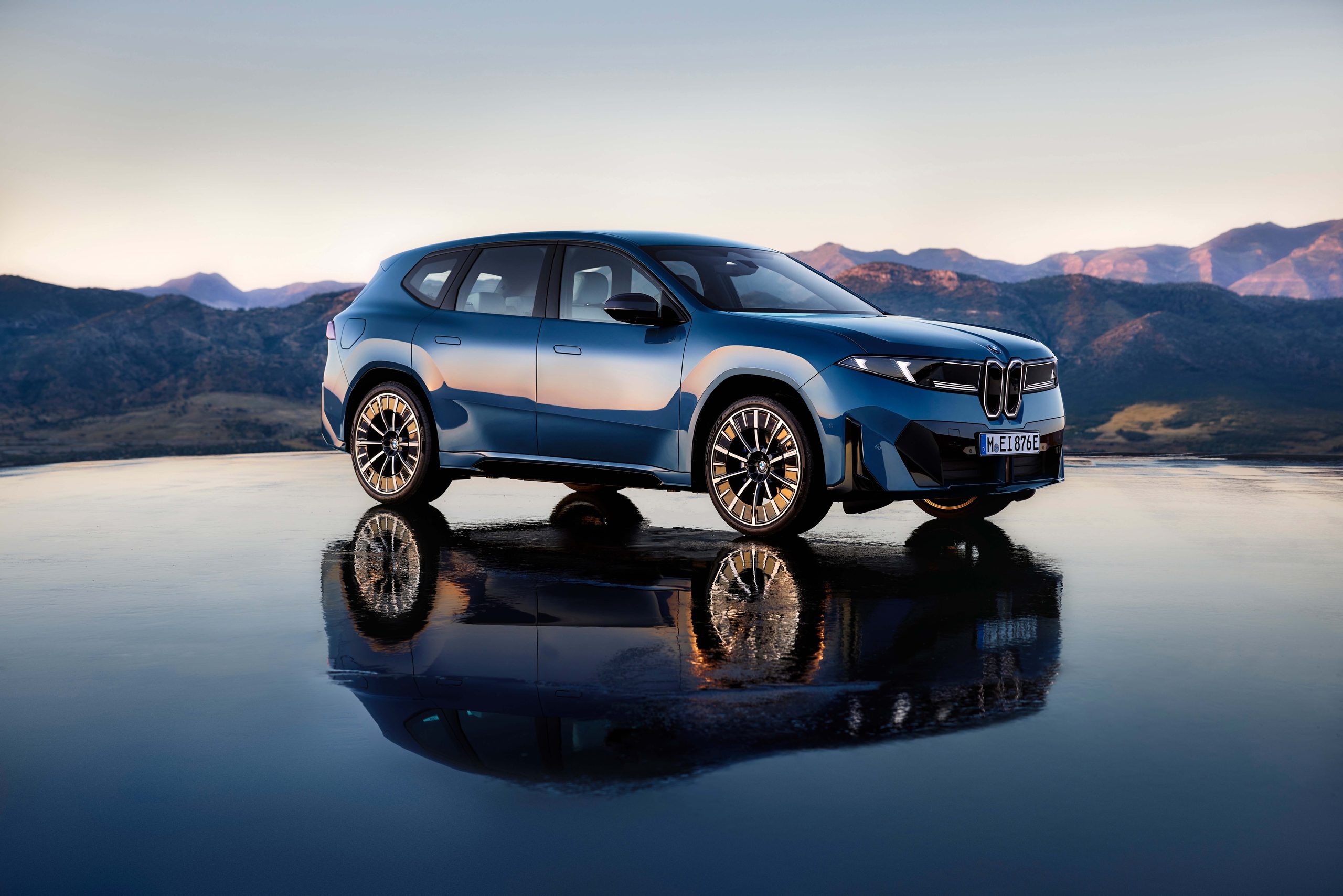
What they do tell us is that neither car treats long-distance range as an afterthought.
BMW has an advantage when the battery needs filling quickly. Its 800-volt architecture supports DC charging at up to 400 kW. Mercedes also uses 800-volt technology but peaks at 330 kW, with a claimed 10-to-80-percent time of 22 minutes.
On peak charging power, then, point to BMW.
Performance
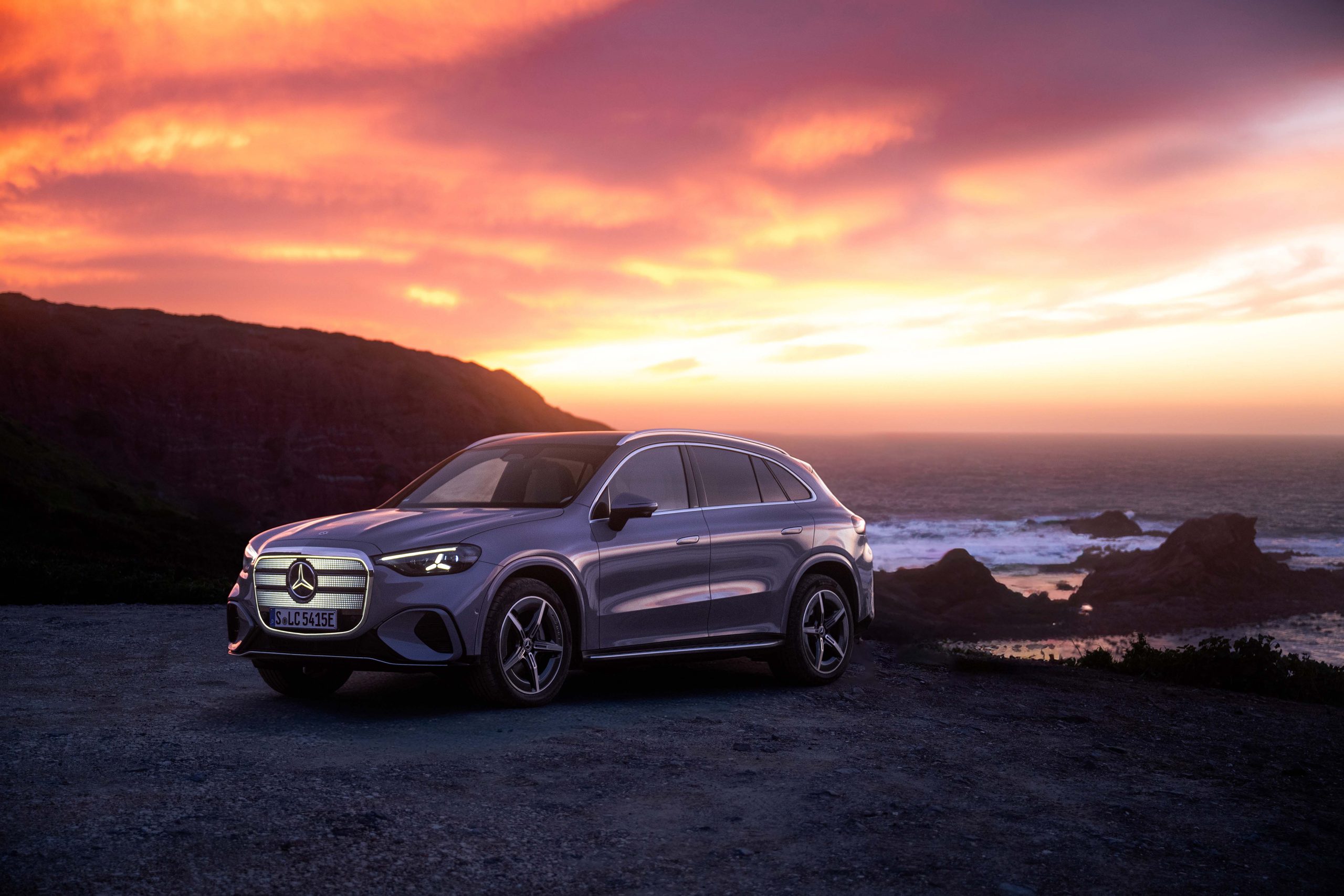
Performance swings the other way. The GLC 400 4MATIC produces 360 kW (489 hp) and 800 Nm. Mercedes quotes 0-100 km/h in 4.3 seconds and a 210-km/h top speed.
But these aren’t sports cars, and buyers will spend considerably more time loading luggage than timing acceleration runs.
Mercedes gives the GLC a 128-liter front luggage compartment in addition to its rear cargo area. It will also tow up to 2,400 kg in the appropriate configuration, making the GLC particularly interesting for anyone pulling a caravan or substantial trailer.
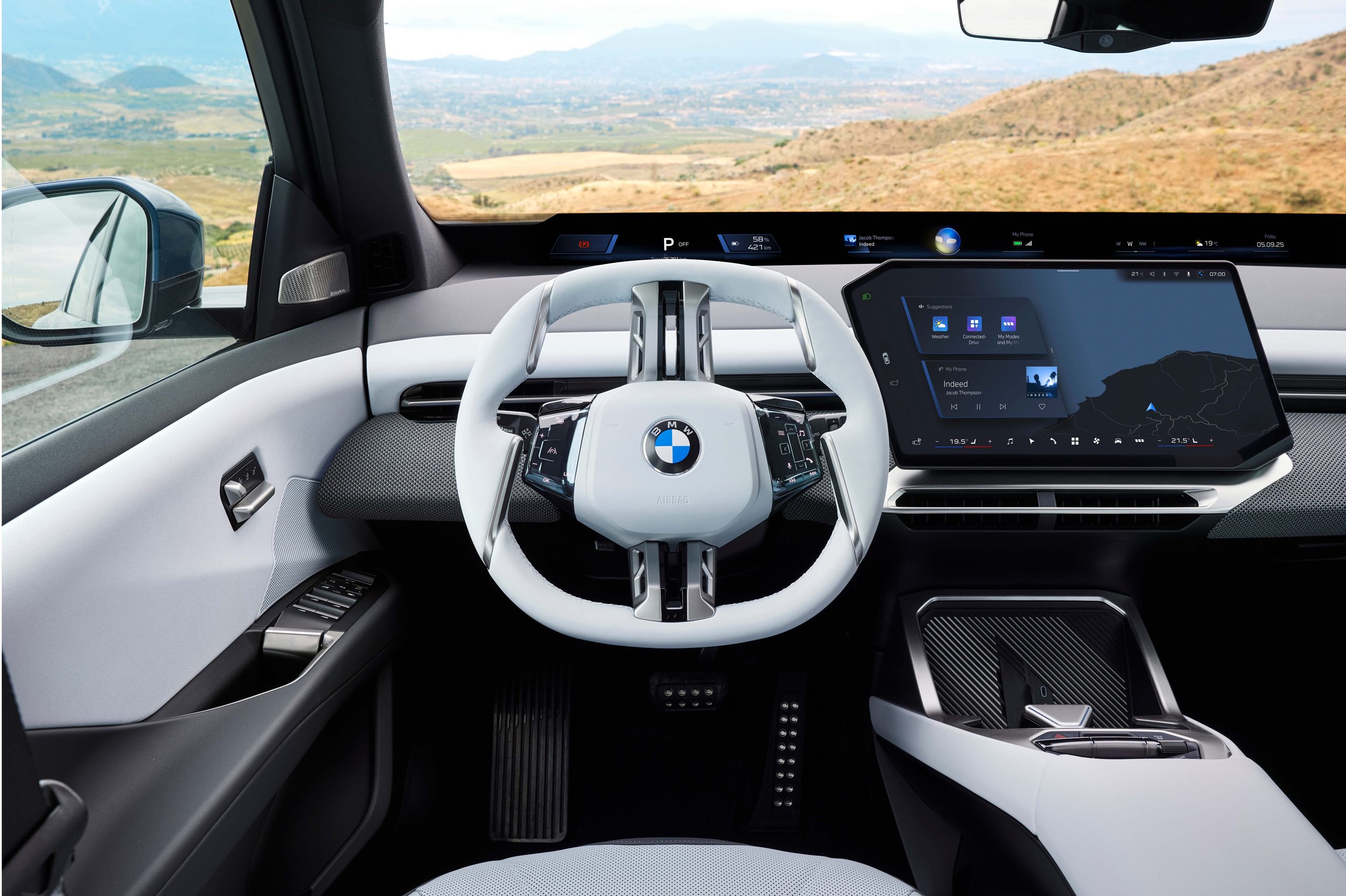
BMW counters with something less easily represented by one number: Neue Klasse.
The iX3 is the first production model built around BMW’s new-generation electrical and electronic architecture. Panoramic iDrive replaces the familiar dashboard arrangement, while BMW’s so-called Heart of Joy controls drivetrain and chassis functions with much faster centralized processing.
Whether buyers care about the name “Heart of Joy” is debatable. What matters is that the iX3 isn’t simply an old BMW platform converted to electric propulsion.
Pricing
In the United States, BMW has priced the 2027 iX3 50 xDrive at $61,500, plus $1,350 destination. The EPA-rated 434-mile range makes that number especially aggressive for a premium AWD electric SUV. US deliveries are scheduled to begin in late September.
Mercedes pricing varies by market. In Germany, the GLC 400 4MATIC with EQ Technology was launched from €71,281, so a clean dollar-for-dollar comparison would be misleading.
Which One Wins?
For somebody prioritizing maximum charging power and the newest generation of BMW’s EV technology, the iX3 makes a strong case. Its US range figure and $61,500 starting price are difficult to ignore.
The Mercedes fights back with more power, serious towing ability and a package clearly designed around the traditional strengths of the GLC: comfort, practicality and long-distance travel.
So there isn’t a universal winner here.
I’d take the iX3 for the technology and charging hardware, while the GLC looks stronger for a buyer who regularly carries people, luggage or a trailer over long distances.
And that’s probably more useful than declaring one car “better.” At this level, both have enough range and performance. The deciding factor is what you plan to do with them after leaving the showroom.