
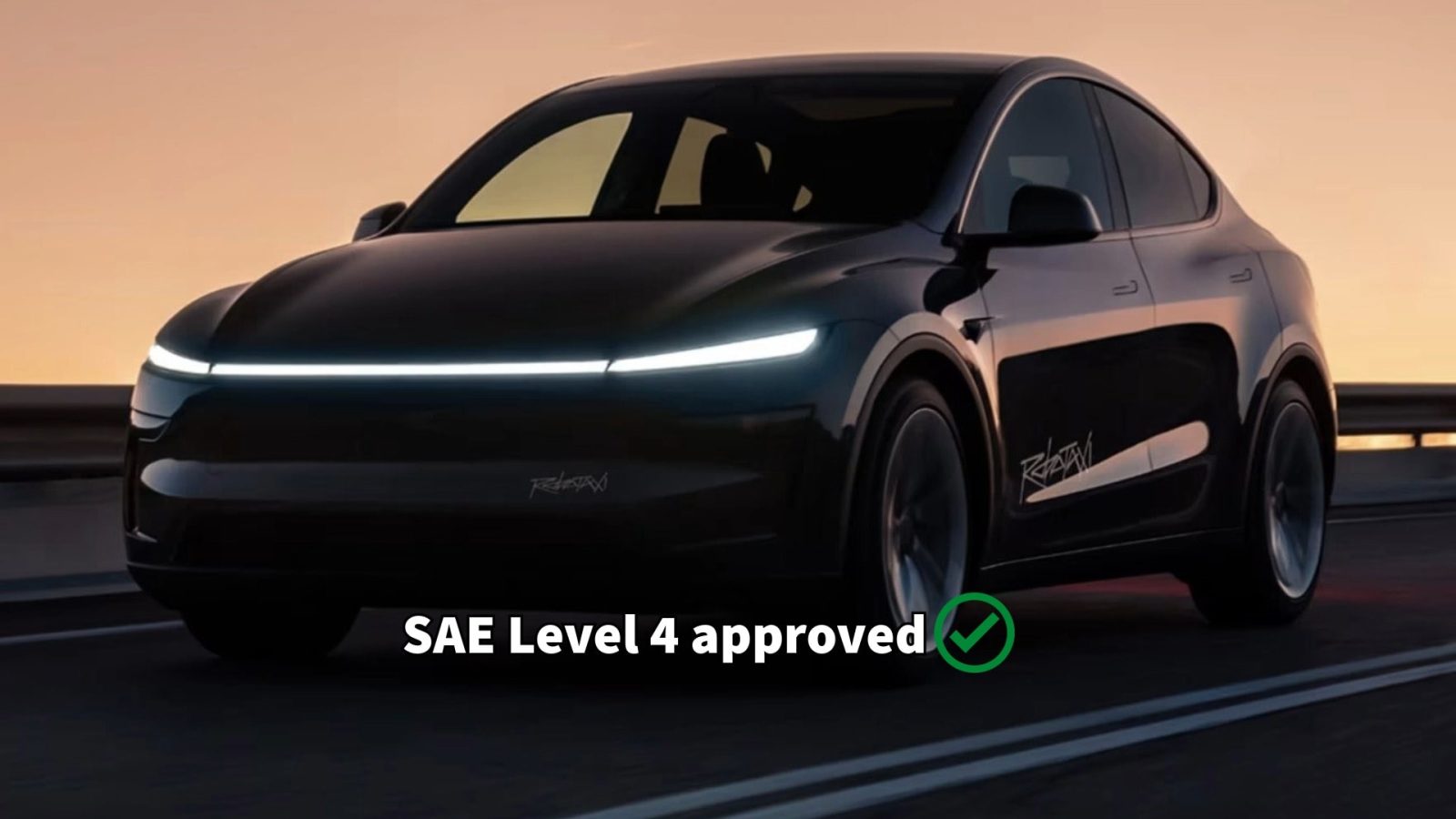
A regulatory update in Texas may reshape Tesla’s driverless ride-hailing plans far sooner than many expected. On May 28, 2026, the state updated its autonomous driving framework, creating a path for companies to self-certify qualifying systems. Tesla moved quickly.
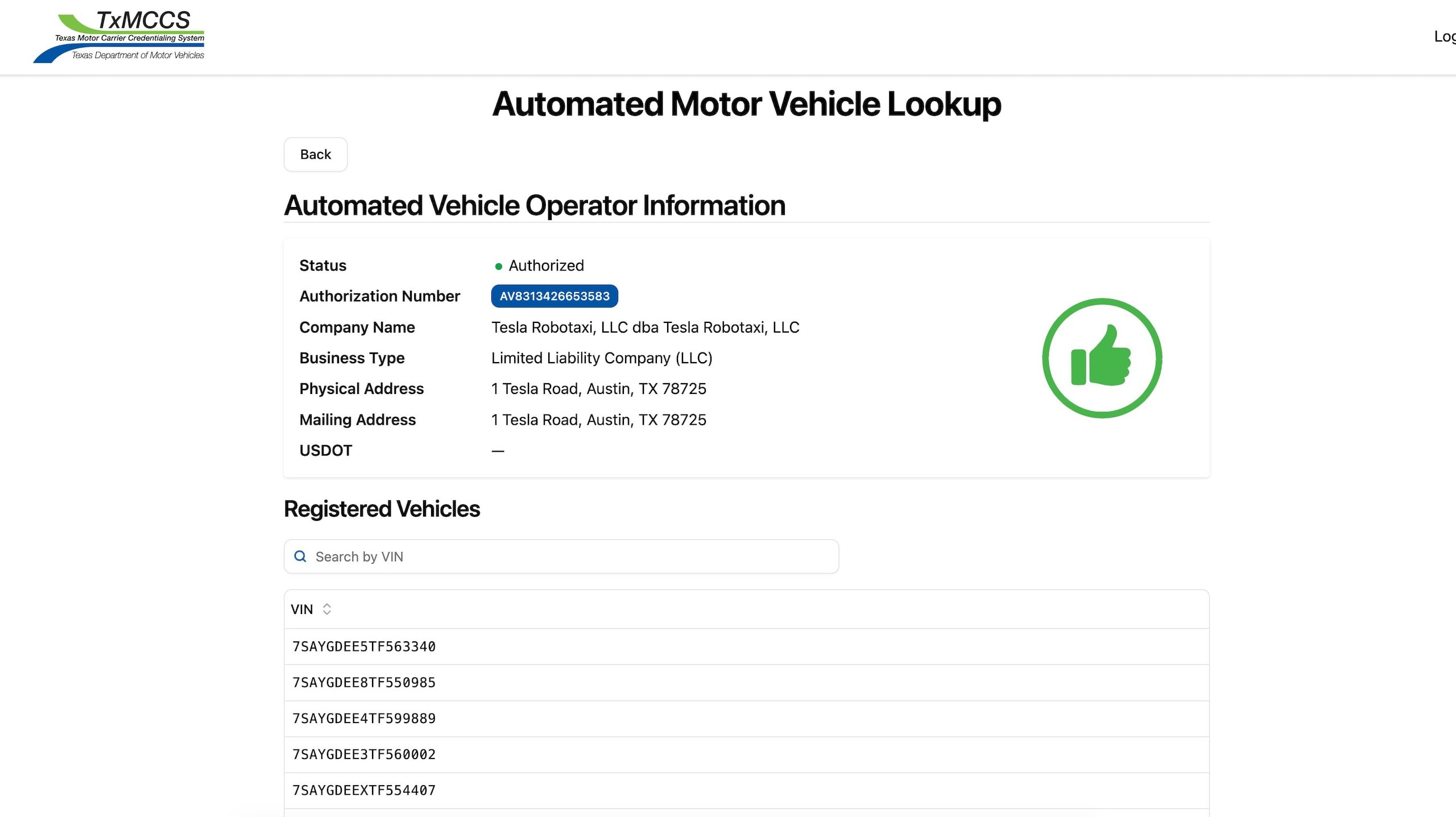
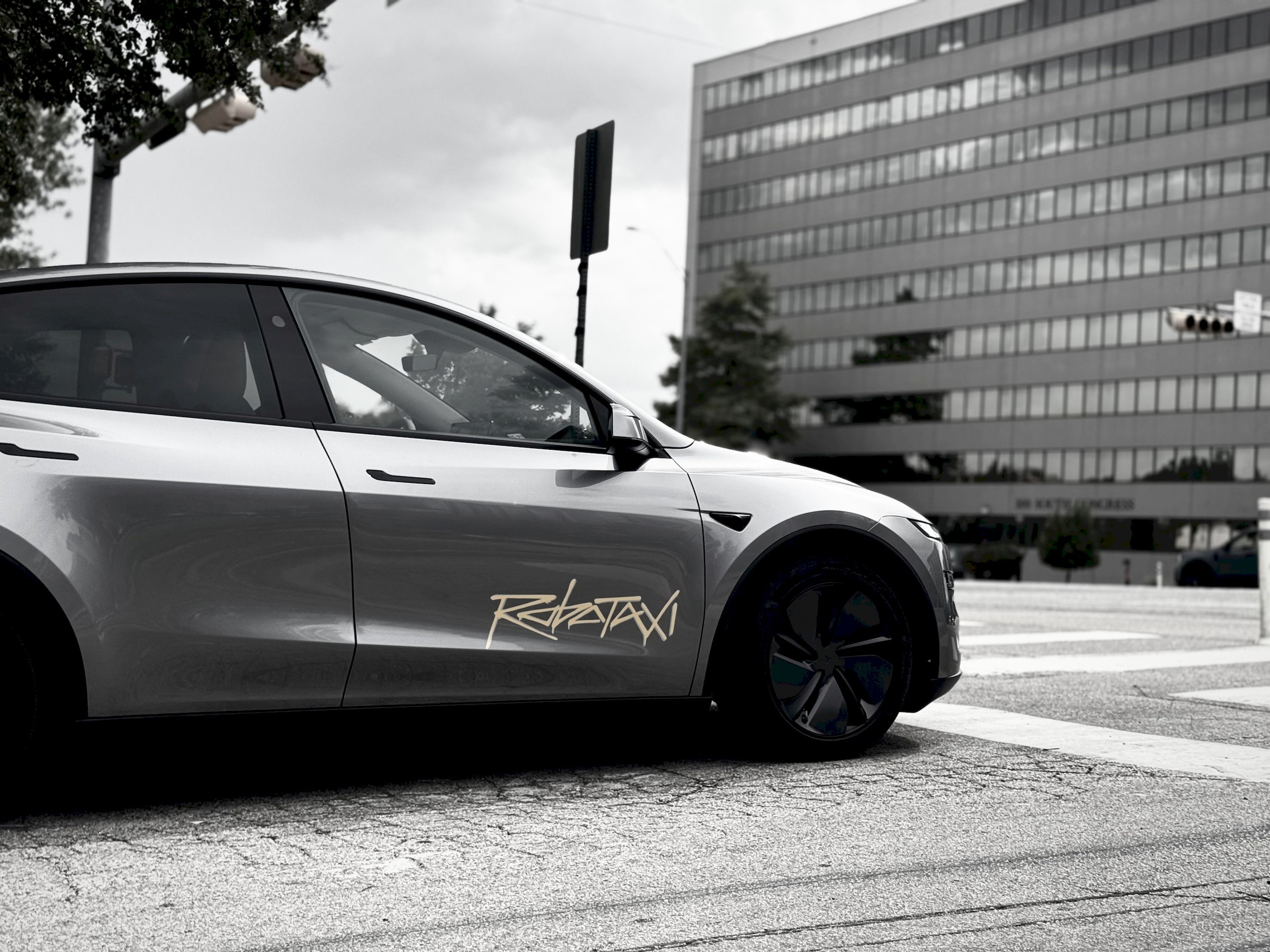
According to filings spotted by investor James Stephenson, Tesla appeared in the Texas Motor Carrier Credentialing System as an automated vehicle operator. The filing listed 42 unsupervised robotaxis, all of them Model Y crossovers. The timing stood out. The registration surfaced the same day Texas revised its autonomous vehicle legislation.
The change carries practical consequences. Companies operating vehicles meeting SAE Level 4 autonomy standards now have a route to provide commercial driverless transportation services across Texas. Rather than passing through a heavier approval process, operators certify compliance with applicable state and federal safety requirements. Earlier rules placed autonomous vehicle companies under greater oversight and additional restrictions.
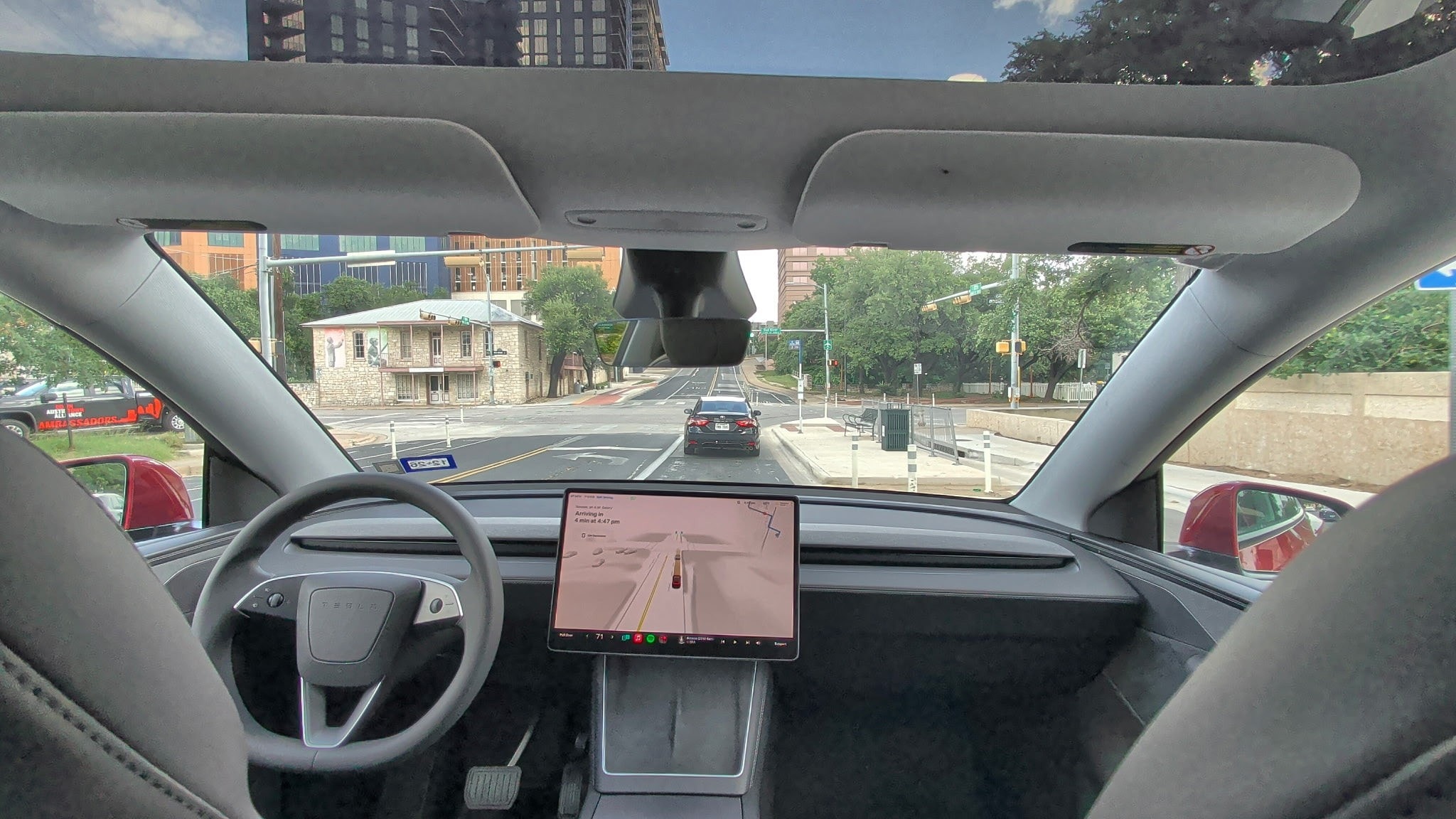
For Tesla, the certification means paid rides no longer require a driver or operator inside the vehicle, provided the system remains within its approved Operational Design Domain. Those conditions include factors such as geofencing, weather limitations, and time-of-day requirements.
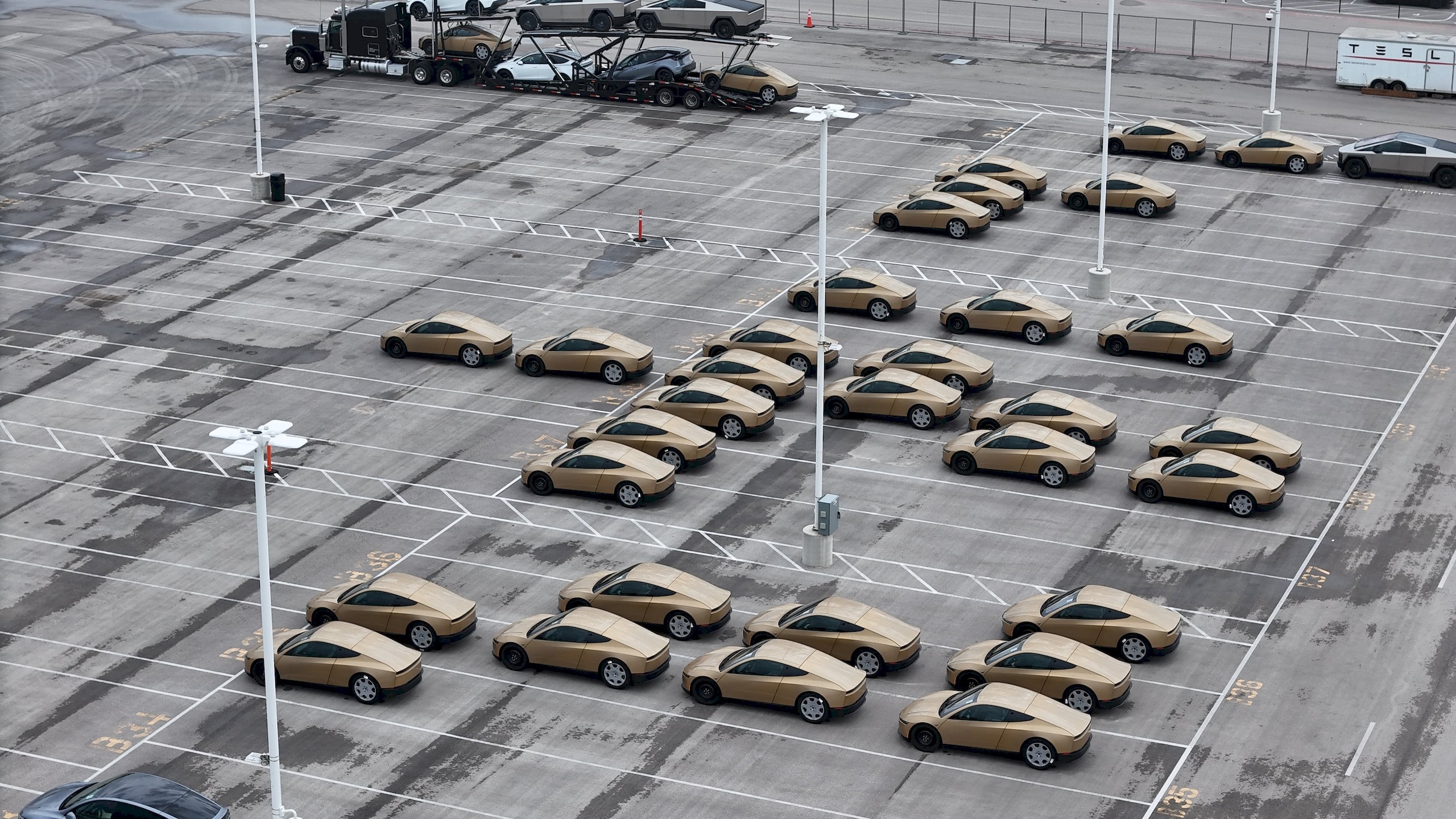
The development arrives during an unusual period for Tesla’s Robotaxi program. Active robotaxi numbers across Texas and California had recently fallen. During the Q1 2026 earnings call, Elon Musk told investors Tesla would pause unsupervised Robotaxi service until FSD V15 reached readiness. Even with that pause, Cybercab production continued to increase, with large numbers of gold-colored examples accumulating in Texas parking areas.
Questions followed. Many observers struggled to understand why Tesla kept building Cybercabs before receiving a clear deployment path.
Part of the concern centered on the vehicle itself. The Cybercab uses a two-seat layout and omits both a steering wheel and pedals. If autonomous ride-hailing plans failed, converting the vehicle into a conventional automobile would become difficult. Earlier test units carried visible steering wheels, leading some to doubt fully driverless operation was close. More recently, Giga Texas began assembling examples without traditional controls, and groups of those vehicles appeared at sites around Giga Texas and Dallas.
The current certification list includes only Model Y robotaxis. Still, the door now appears open for more.
On the same day Texas authorized Tesla’s driverless Robotaxi operations, Musk posted footage showing a Cybercab leaving the production line without a steering wheel. Tesla AI chief Ashok Elluswamy later shared the post and wrote that autonomous Cybercabs would soon be driving themselves “to Austin city, reporting for duty.”
For now, Model Y handles the paperwork. The Cybercab seems to be waiting in line behind it.