
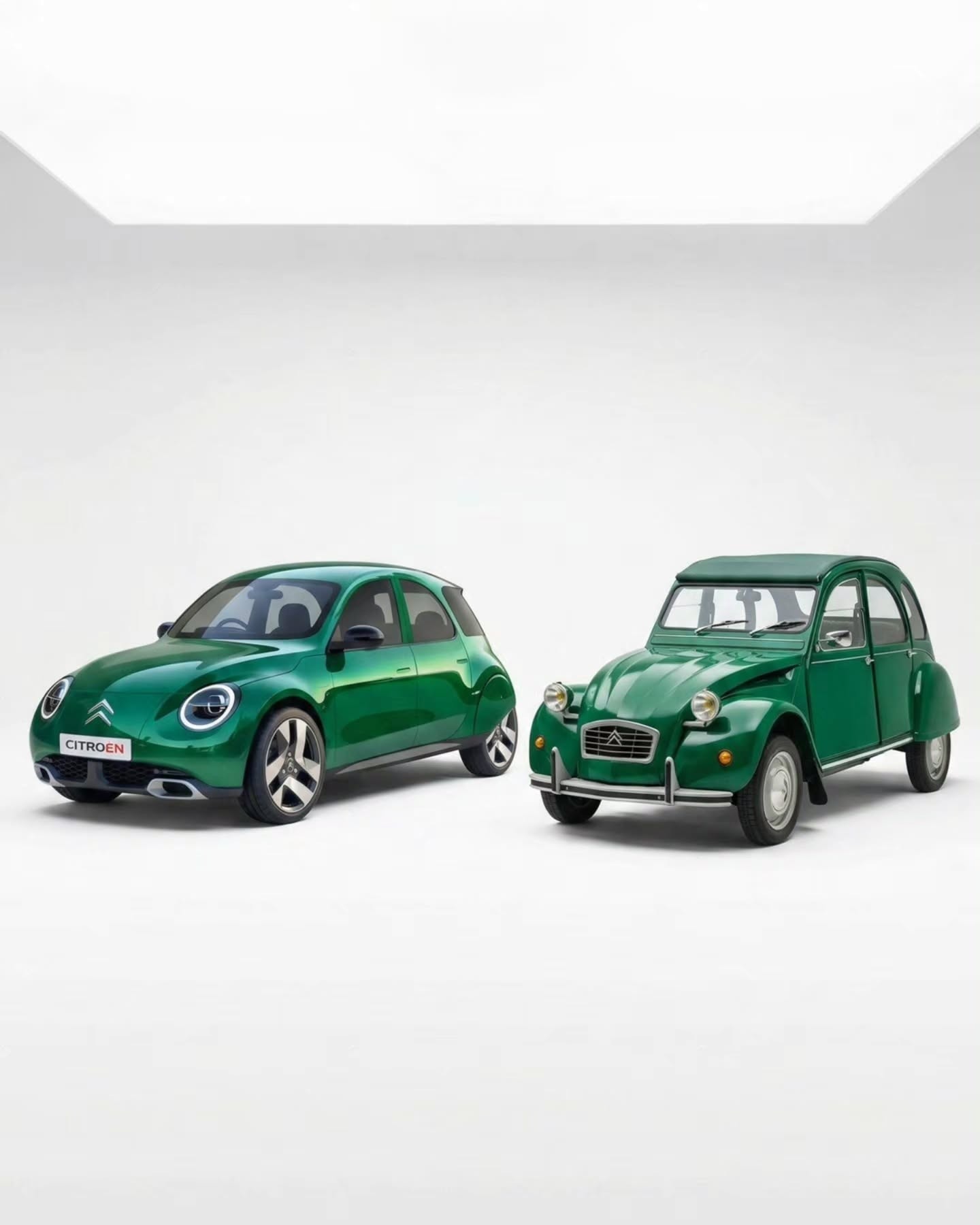
A small electric hatchback with old-school references keeps gaining ground in Europe. Renault already pushed two names into that lane, Renault 4 E-Tech and Renault 5 E-Tech. Nissan links part of the same direction through the future Micra, while MINI Cooper Electric and Fiat 500e already sit in nearby territory. All of them lean on familiar shapes from earlier decades, using memory as part of the sales argument while moving buyers toward battery-powered transport.
Volkswagen also prepares an entry. The coming ID. Polo and ID. Polo GTI target the same subcompact market, though without the retro-heavy direction seen on Renault products. Interest around this class keeps growing because affordable electric hatchbacks now look like one of the few active battlegrounds left in the lower-size segment.
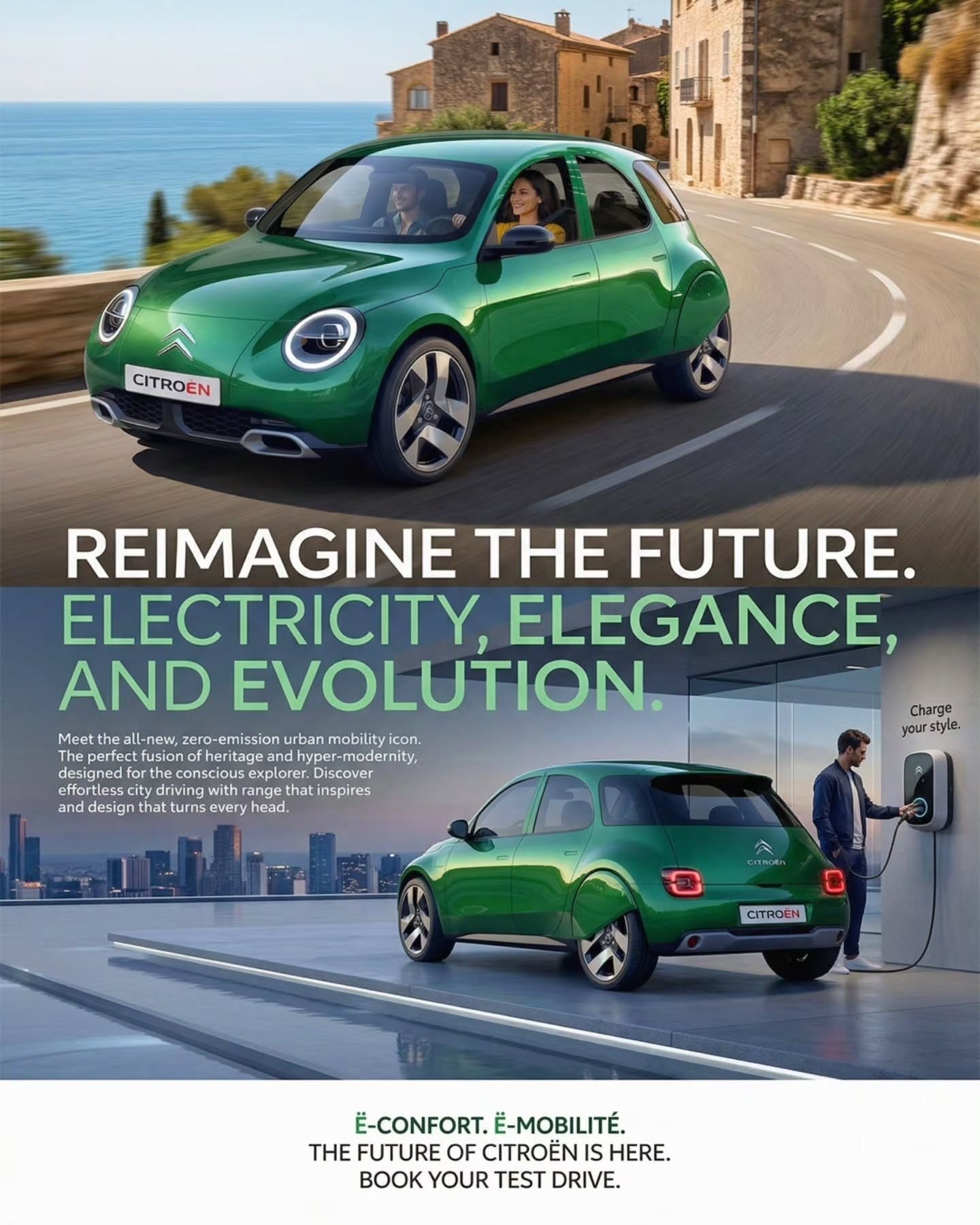
Behind this wider shift sits a broader concern. Ongoing geopolitical tension keeps pressure on oil dependence, and electric mobility gains weight because of that. Price still blocks wider adoption, though. Chinese manufacturers already sell electric cars cheaply at home, then ask double or triple in Europe, where state-backed subsidy support does not exist in the same form.
Ford appears in the discussion too, though from another angle. A 30,000-dollar electric pickup for North America has been proposed, but no production model has reached public roads and no full presentation has happened yet.
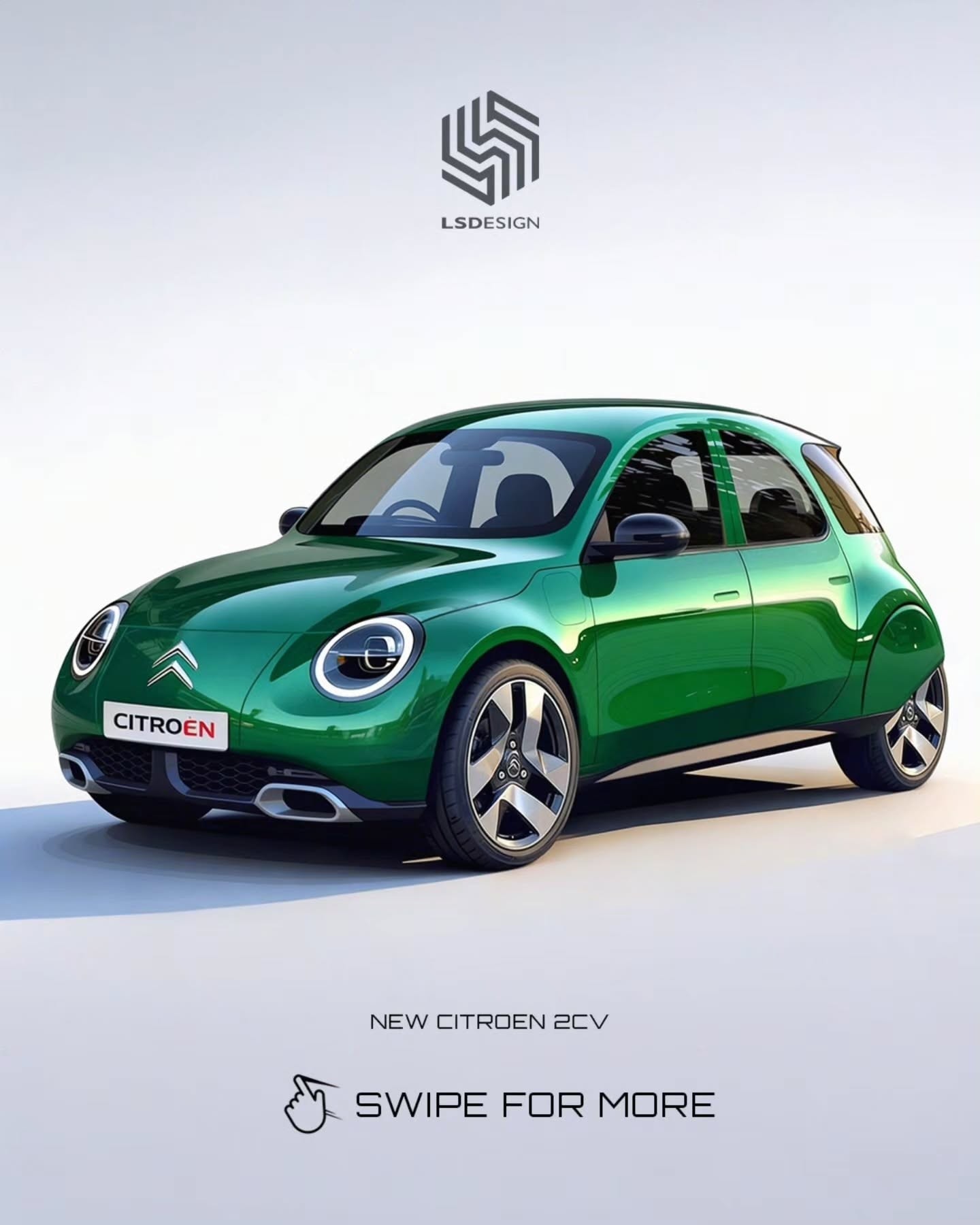
This leaves room for ideas outside official programs. One such proposal comes from Luca Serafini, a digital vehicle designer based in Modena, Italy, known online as lsdesignsr1. His latest work turns toward Citroen and revives one of the brand’s most recognizable names through an unofficial study.
The subject is the 2CV, presented here as a battery-powered return rather than a heritage tribute. The project keeps the identity of the original Deux Chevaux without freezing it in past decades. The curved roof stays. So do the pronounced fenders and the circular front lamps.
Other areas shift more sharply. The body receives cleaner airflow treatment, and underneath sits a zero-emission electric setup shaped for current standards rather than nostalgia alone.
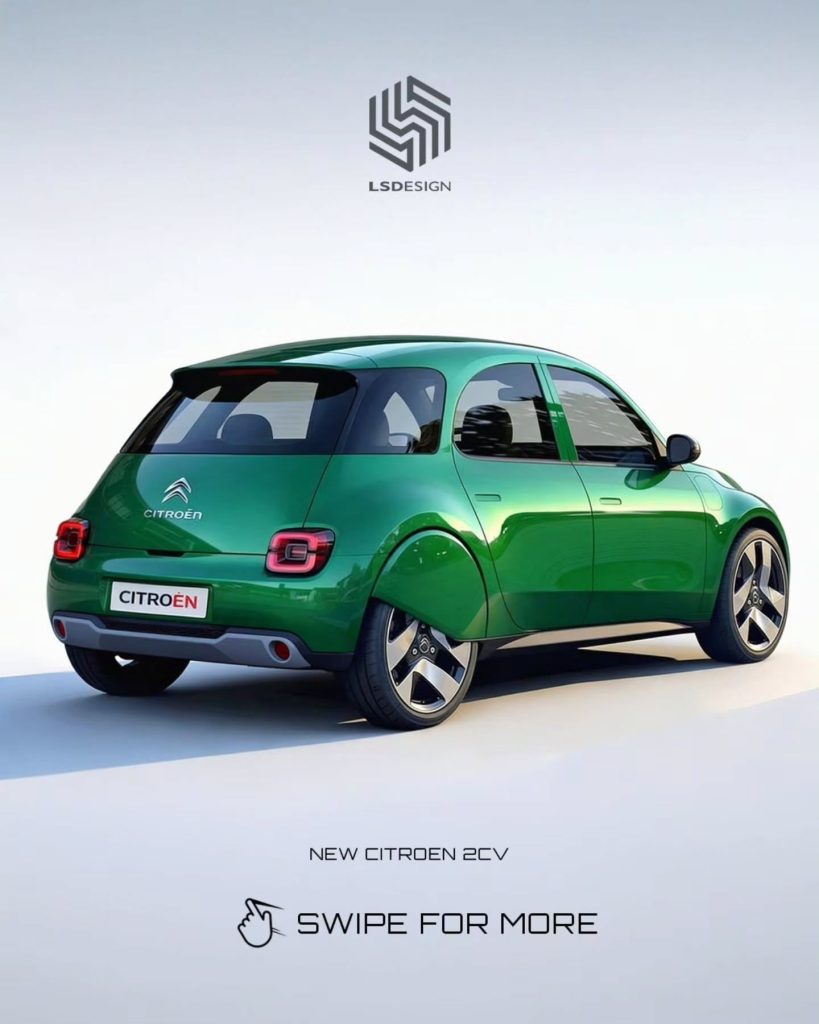
The original 2CV built its reputation around simple engineering and broad accessibility. Serafini’s version tries to hold onto that spirit, though filtered through a present-day surface language.
One practical point supports the idea. Stellantis already owns a ready subcompact electric platform used across several models, including Opel Corsa, Opel Mokka, DS 3 Crossback E-Tense, Peugeot e-208, Peugeot e-2008, Fiat 600e, Lancia Ypsilon, Alfa Romeo Junior, and Jeep Avenger EV.
So the design remains unofficial, yes, but the mechanical route already exists.