
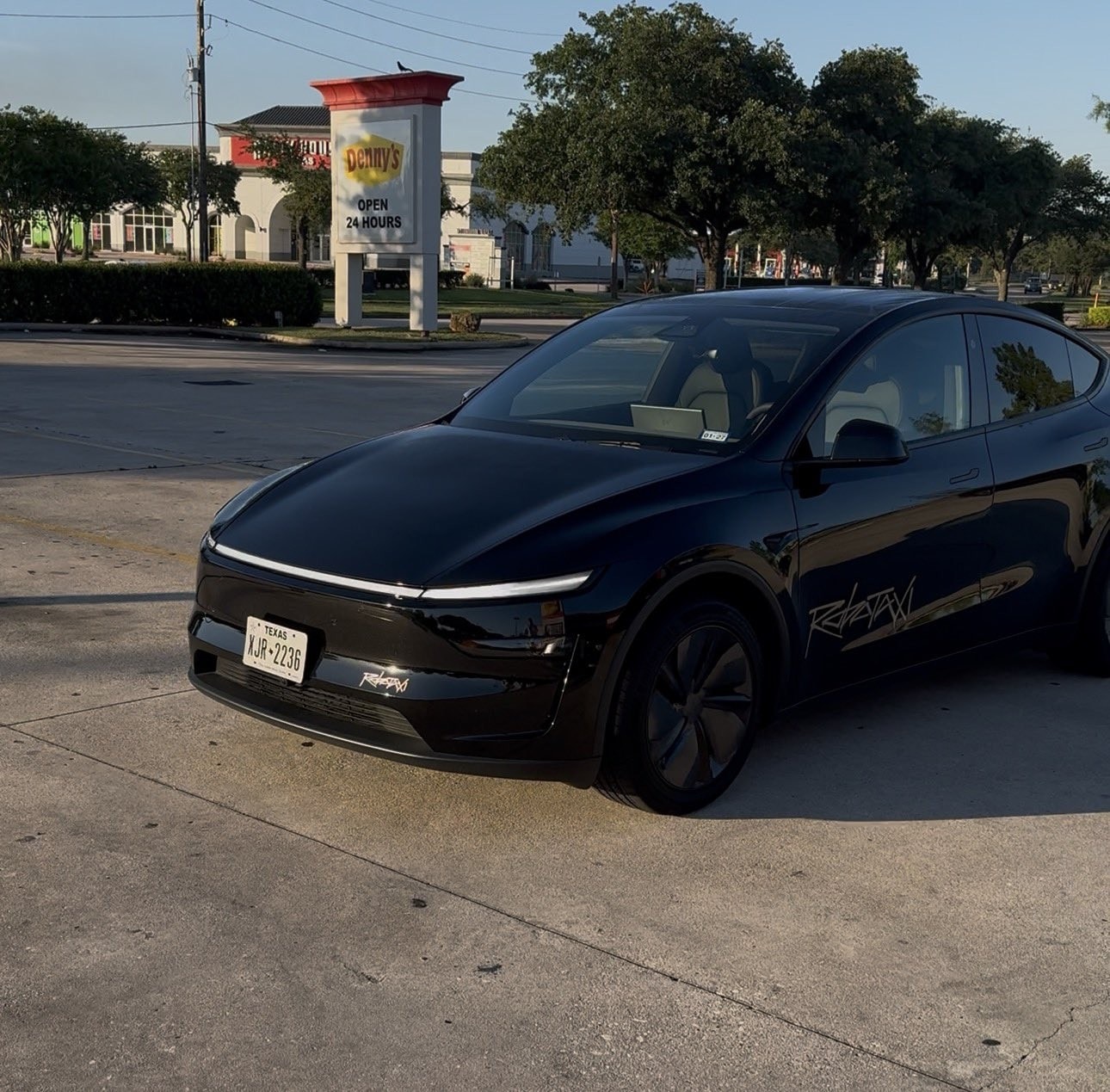
Tesla’s unsupervised Robotaxi program appears to be losing momentum in Texas instead of growing into the broader network Elon Musk discussed earlier this year. Activity linked to the service dropped sharply across Austin, Dallas, and Houston during recent weeks, while the company waits for the arrival of FSD V15 before attempting a larger expansion.
Back in April, Musk stated Tesla would postpone a wider Robotaxi rollout until FSD V15 entered service. That statement followed years of ambitious forecasts tied to autonomous driving. Earlier promises connected phrases like “two weeks” and “by the end of the year” to Full Self-Driving development. More recently, similar language surrounded Tesla’s driverless ride-hailing effort.
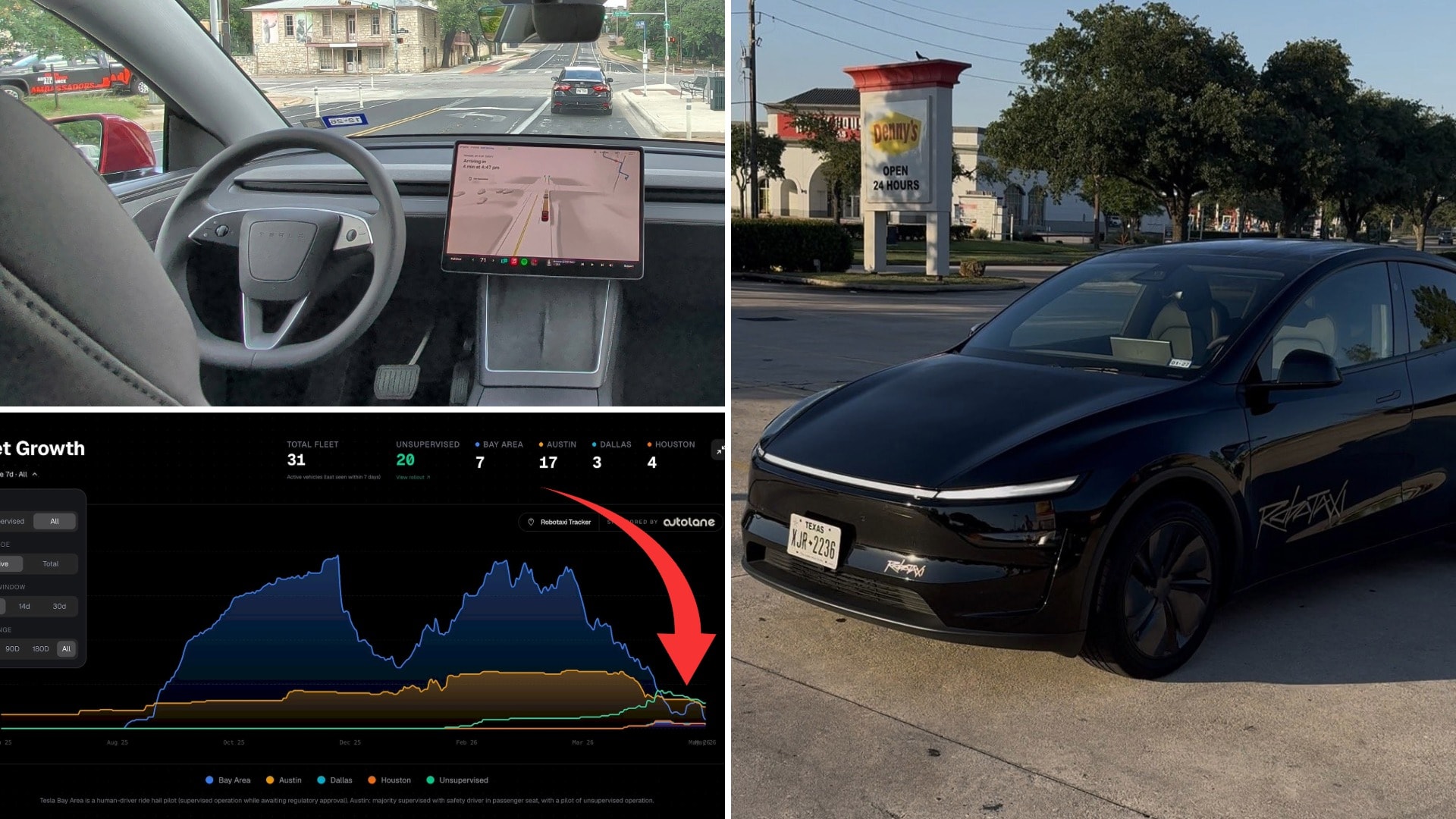
The first public Robotaxi trial in Austin began last June. Tesla expanded the program in January with unsupervised rides, although controversy followed nearly every milestone. Vehicles remained difficult to access, and regular riders struggled to secure one. Some observers noticed driverless Teslas traveling closely behind another Tesla, with assumptions pointing toward a safety operator sitting inside the lead car.
One widely discussed example involved David Moss, who reportedly hailed 57 Tesla robotaxis during more than a week before finally receiving a vehicle operating without a safety driver or operator. Tesla later announced additional Robotaxi cities in April, specifically Dallas and Houston, while Musk also claimed the service would reach “50% of the US population by the end of 2025.” The fleet size available to passengers never matched those projections.
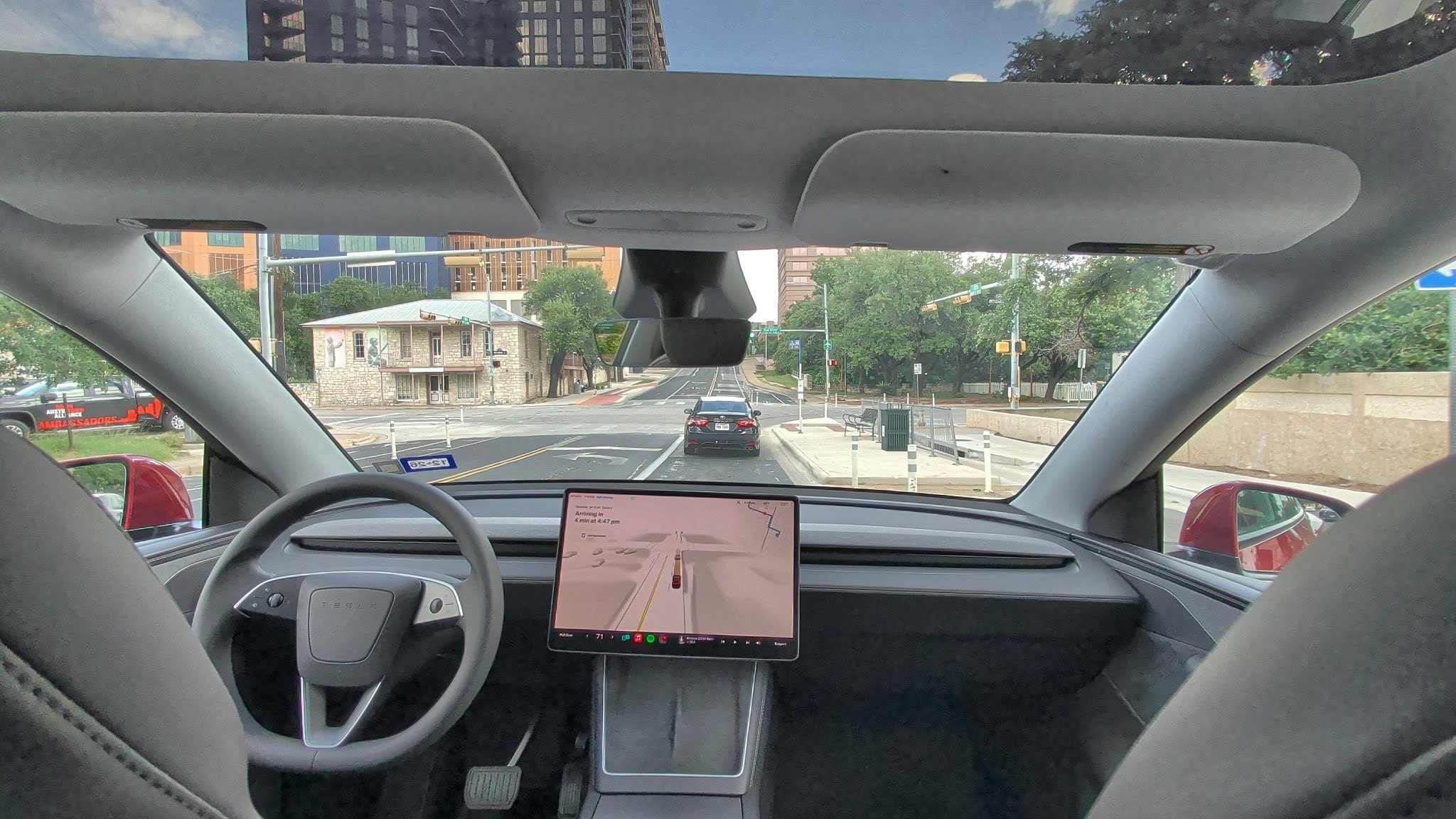
Data gathered by the community-operated Robotaxi Tracker paints a different picture now. Contributors identified almost 700 unique vehicles operating across the Bay Area, Austin, Dallas, and Houston. Filtering activity down to the previous 30 days reduces the active fleet to 89 vehicles. The decline becomes sharper over shorter timeframes. During the previous two weeks, only 54 active vehicles appeared, while the last 7 days showed 30.
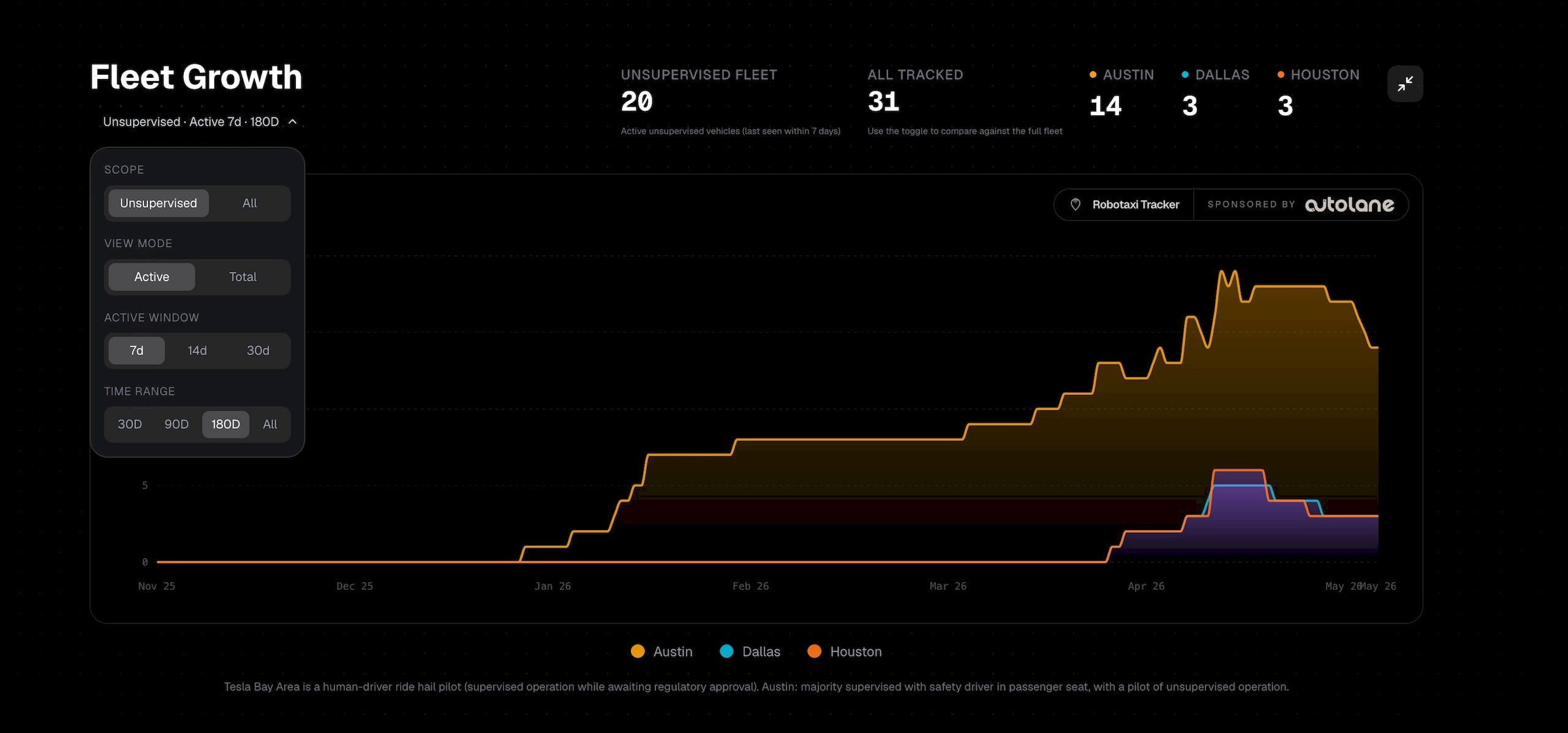
Austin reached its recent peak on May 4 with 19 active unsupervised Robotaxis. Houston registered 6, and Dallas recorded 5 during the same period. Current numbers look far smaller. Austin logged only 13 active unsupervised vehicles across the past week, while Dallas and Houston each dropped to three.
The supervised fleet in California tells a similar story, maybe an even rougher one. Tesla reportedly operated 133 supervised Robotaxis in the Bay Area on February 20. During the last 7 days, observers tracked only 7 active vehicles.
Taken together, the numbers suggest Tesla has started scaling back operations instead of preparing for a major Robotaxi push. Musk previously explained during the first-quarter earnings call that wider deployment would wait for FSD V15. He did not state that Tesla would remove vehicles from service before then, though the recent activity figures point in that direction.