
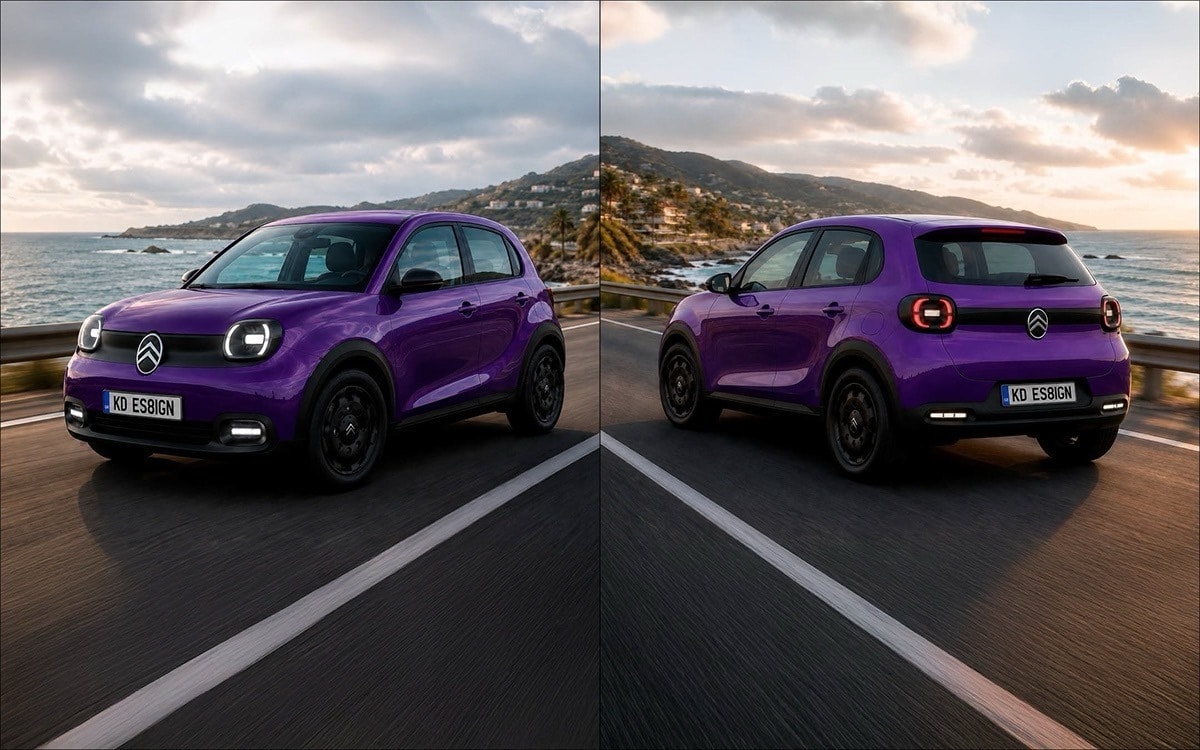
Long before any production model reaches showrooms, the returning Citroen 2CV is already attracting attention from digital designers. One unofficial proposal now imagines how the famous badge might reappear in an era dominated by electric vehicles and cost-conscious buyers.
The timing is not accidental. Citroen has already confirmed the 2CV will return, with the public debut scheduled for the 2026 Paris Motor Show. For a name associated with more than five million vehicles produced between 1949 and 1990, the announcement carries considerable weight. The original became widely known through its straightforward engineering, recognizable shape, and accessible price point.
Behind the project sits Stellantis’ FastLAne 2030 strategy. The group intends to spend $70 billion while expanding its lineup with 110 new or updated products before the decade ends. Of those, 60 represent entirely new vehicles, while another 50 are refreshes of existing models.
Brand priorities have also been outlined. Jeep, Ram, Peugeot, and Fiat occupy the company’s main global positions. Elsewhere, Citroen shares regional-brand status with Chrysler, Dodge, Opel, and Alfa Romeo. DS and Lancia have been placed in a specialty category, while Maserati continues under a separate roadmap scheduled for presentation in Modena during December 2026.

Among the future arrivals sits the reborn 2CV. Early teaser material pointed toward a retro-themed direction, drawing comparisons with modern reinterpretations such as the Renault 5 E-Tech and MINI Cooper SE. Details remain limited, though one element appears clear. Affordability sits near the top of the agenda.
Current expectations place the entry price around €15k. Based on the exchange rate referenced in the report, that translates to roughly $17,440. Such positioning would place the future hatchback among the least expensive electric vehicles available. The Dacia Spring occupies a similar territory today.
Production is expected to take place in Italy together with the Fiat Panda. Another detail surfaced as well. The upcoming model might measure less than the already compact Citroen e-C3.

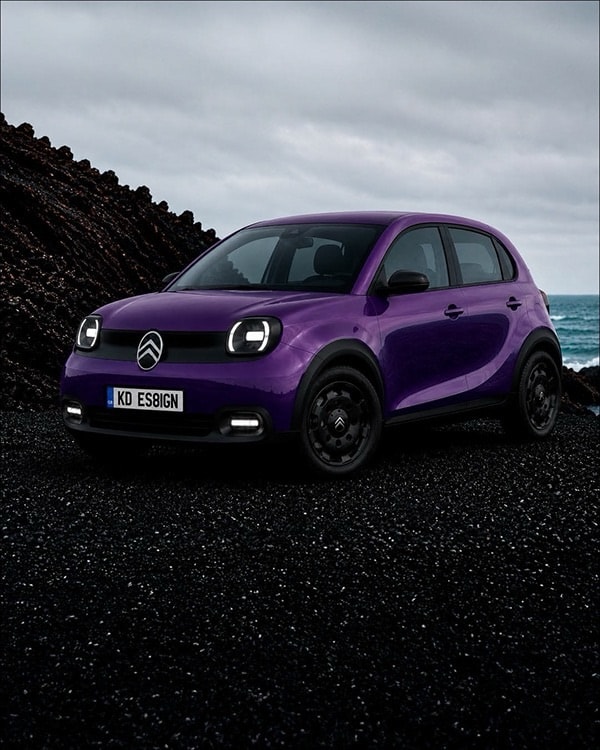
With official images still scarce, Brazilian CGI artist Kleber Silva, known online as “KDesign AG,” decided to create his own interpretation. His rendering approaches the project from a practical angle, focusing on cost-efficiency rather than visual drama.
The digital concept borrows cues from two earlier Citroen studies, the Revolte from 2009 and the more recent ELO prototype. The outcome is a compact hatchback with a familiar profile and restrained styling. Compared with the teaser released by Stellantis, Silva’s version feels simpler and more grounded. For now, the design remains unofficial, though interest surrounding the future 2CV continues to build as the planned return draws closer.